Friday, May 1, 2020

The Session: Where I'm/It's At.

Well, it has been a while. Since there was a proper Session. Since I wrote a thing on this blog. Glad to be prodded. I think about blogging often, but then that work thing gets in the way, putting me in front of the screen and thinking about beer, until I don't want to be in front of the screen anymore, and then I only want to drink beer and not think about it anymore.

Not complaining. I'm doing well (hey, thanks for asking). We're out on the farm in rural Missouri, about an hour's drive from St. Louis. Easy to social distance here, among the chickens and turkeys and rabbits and beagles and catfish. Lots of space to run the hounds and hunt for morels (found none; only ticks). Lots of room to homebrew (every couple of weeks) and smoke meat (every couple of days). A well-stocked beer fridge. We're healthy. I have a job. I'm lucky. I could do this a while. Tired of the home-schooling, sure, but that's manageable.

No FOMO, because there's nothing really to MO on, is there? Plenty of F, but not OMO.

In the absence of travel and going out, we have a daily family happy hour at 5-ish. Lots of drinking and wanton snacking is getting us through this pandemic thing. What to drink though? Here are some highlights:

KC Bier: a German brewery that happens to be in Kansas City. All German ingredients, decoction mash, spunding, the whole bit. The Helles is basically perfect, with more malt character than most of the thin, pale things that American craft brewers call helles. The Pils is just as good, but with more hops. Don't sleep on the (popular, top-selling) Dunkel or seasonal bocks either. We actually can't get KC Bier in these parts, but my in-laws traveled across the state and brought back several sixers of Pils and Helles, because they are good people. I'm thinking about those beers now, as they sit up there in the cooler. It's comforting.
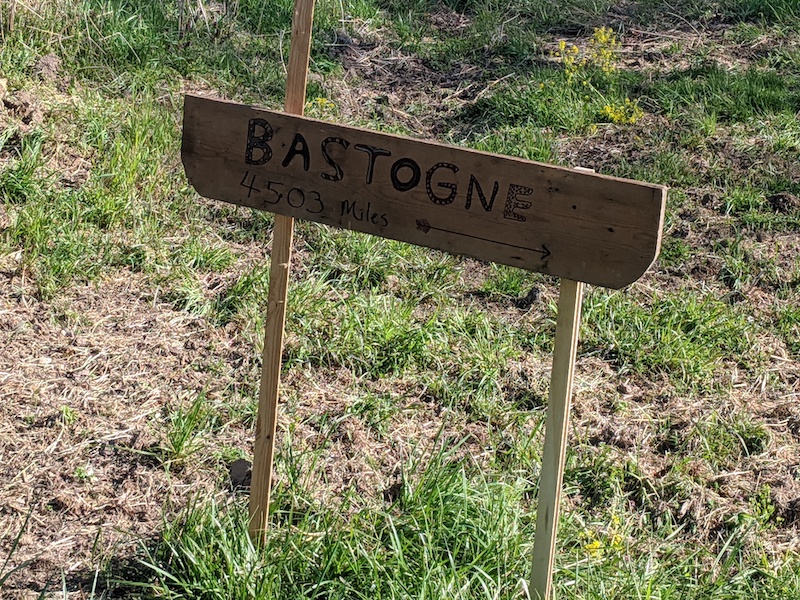
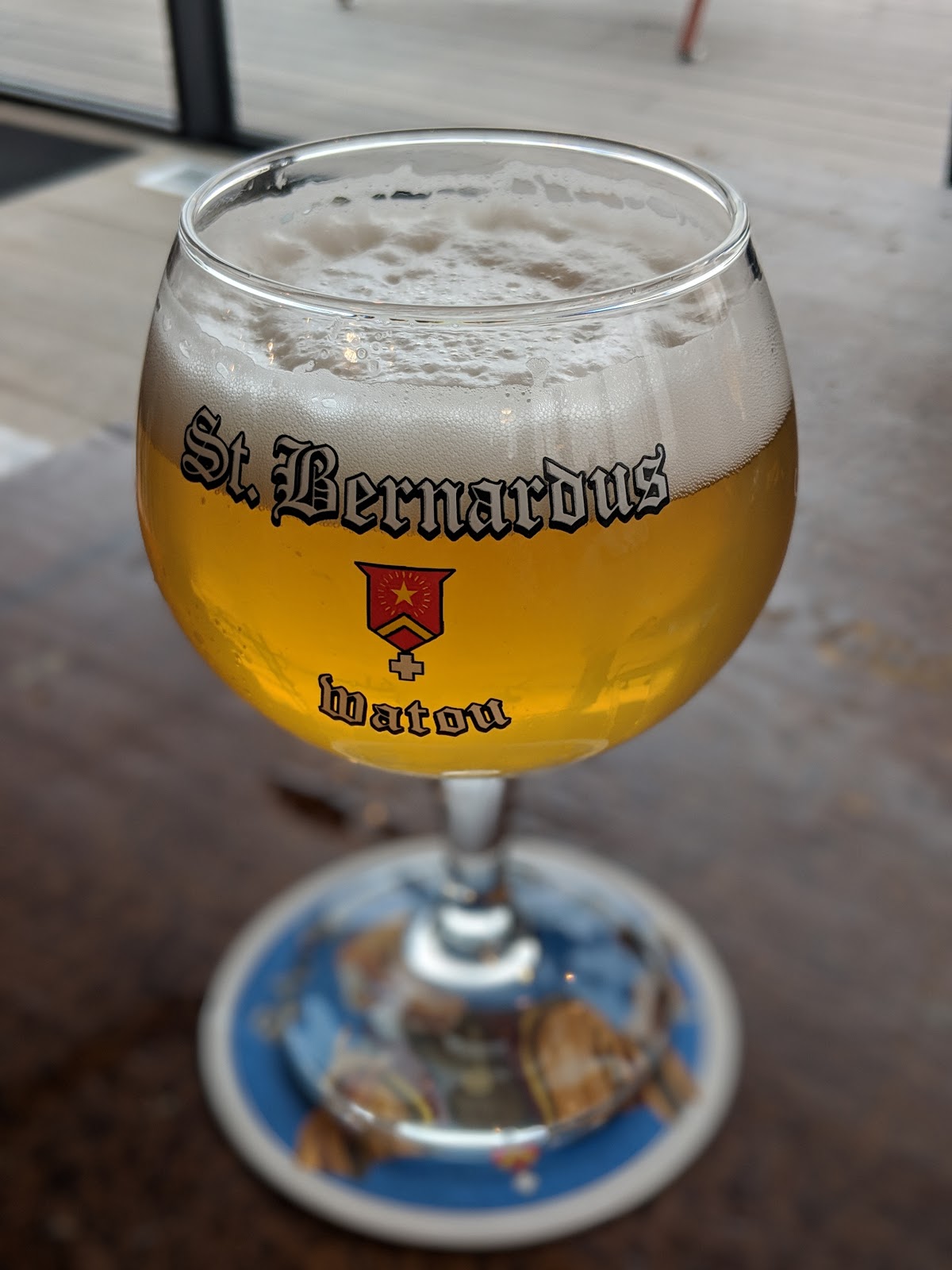
Make believe: As a family we took a "trip" to "Belgium" a couple of weekends ago. Set up a faux-Belge café. Put on the flat cap. Drank all the gueuze. Snacked on gouda cubes with celery salt while playing Brel. Cooked waterzooi, pâté, moules frites, and shrimp croquettes. Went hunting in the "Ardennes" for a little garden gnome. And naturally we stocked up with whatever Belgian beers we could find locally: Chimay Bleu, Saison Dupont, St. Bernardus 12, and a few bottles of Orval. There were also some large 75cl Duvels apparently bottled in 2016, and now badly oxidized, a taste that does more to evoke random Belgian cafés in my mind than you can possibly know.

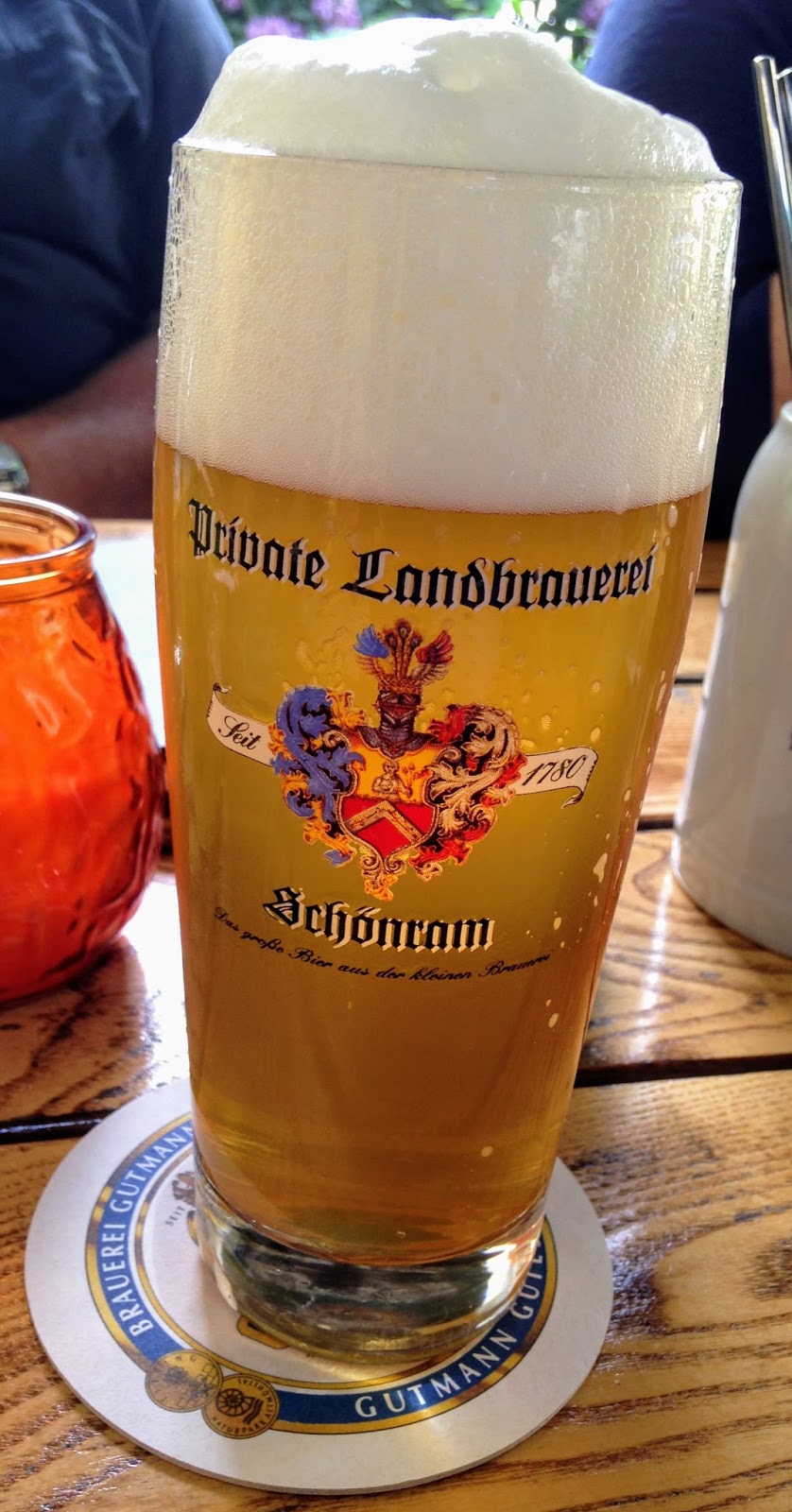
Beer Drop: You know, they will just send beer to your house these days. While I'd rather be holing up out here in the country during these weird, weird times, I admit to being a bit jealous of city folk living within the delivery zones of top neighborhood breweries. (Or in the zone of the Churchkey beer shop in DC, which will send growlers of Schönramer Festbier to your door.) There are apps for ordering beer and booze to your house too, but not many of them know what to do with our far-flung address. Found one service though, Beer Drop. Based in Denver and almost entirely breweries from that area but, you know, there are an awful lot of them there. It works pretty much like a beer-o'-the-month club, but you can sub beers out if you'd rather get something else. A bit pricey for what you get, like all such services, but for a while I'll pay extra for the chance to try things outside my geography (no travel, got to cast a wider net) and the old-fashioned, no-it-doesn't-get-old fun of getting a box of beer in the mail.
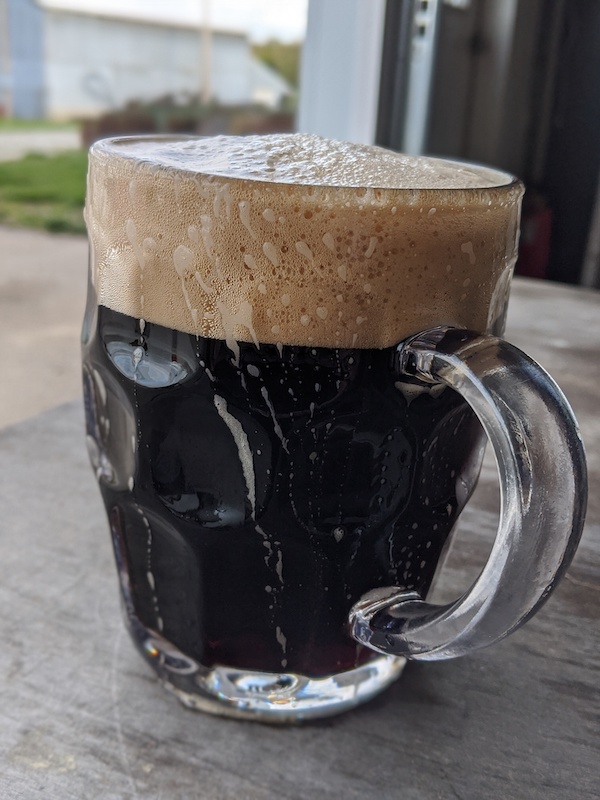

Rockwell Static
Draft beer, but at home: We installed four taps, including a Czech-style side-pull that was basically the best Christmas present a boy could ask for (thanks, honey). Lately we've designated two taps for commercial beers: 2nd Shift Art of Neurosis (brilliant, undersung, old-school citrus-pine-bitter mid-coast IPA) and Rockwell Static (rich dark lager, landing between schwarz and tmavy, managing plenty of malt richness at 4.7% strength). The latter is on the side-pull. The Art of Neurosis didn't last long and has since been replaced by the helles from Deep Sleep, our local-est small brewery (he's a full-time anesthetist, hence the name, who runs a part-time-pro brewery on the side, and the beers are solid). Moral of the story: Public draft beer is in hibernation, but your local breweries are sitting on lots of kegs they'll probably sell you. If you don't currently have a kegerator, you might currently have time to build one. Haven't you baked enough sourdough?

Homebrew: It's mostly drinkable. Rotating flavors on the other two taps. Playing with Belgian yeast blends, local malt, and plenty of hops. Enjoying the application of judgy critical perspective, followed by figuring out how to do it a bit better next time. Using this ancient ('90s-era) SABCO BrewMagic that still runs pretty well. Maybe the fave so far is an all-Willamette-hopped rye saison-ish thing that's around 4.5% abv and came out nicely lemony somehow. Trying more of that early dry-hopping to get that biotransformation thang going, but doing it with Belgian-type yeasts and non-IPAs. It's fun.

So was this. Hey: I'll try to blog more. But, you know.

Thursday, April 25, 2019

One More Road for the Beer: Budapest.

When the variety-beer thing has blown up everywhere around the world, you might as well go somewhere beautiful to enjoy it -- preferably somewhere with really fatty pork and voluminous comfort food.

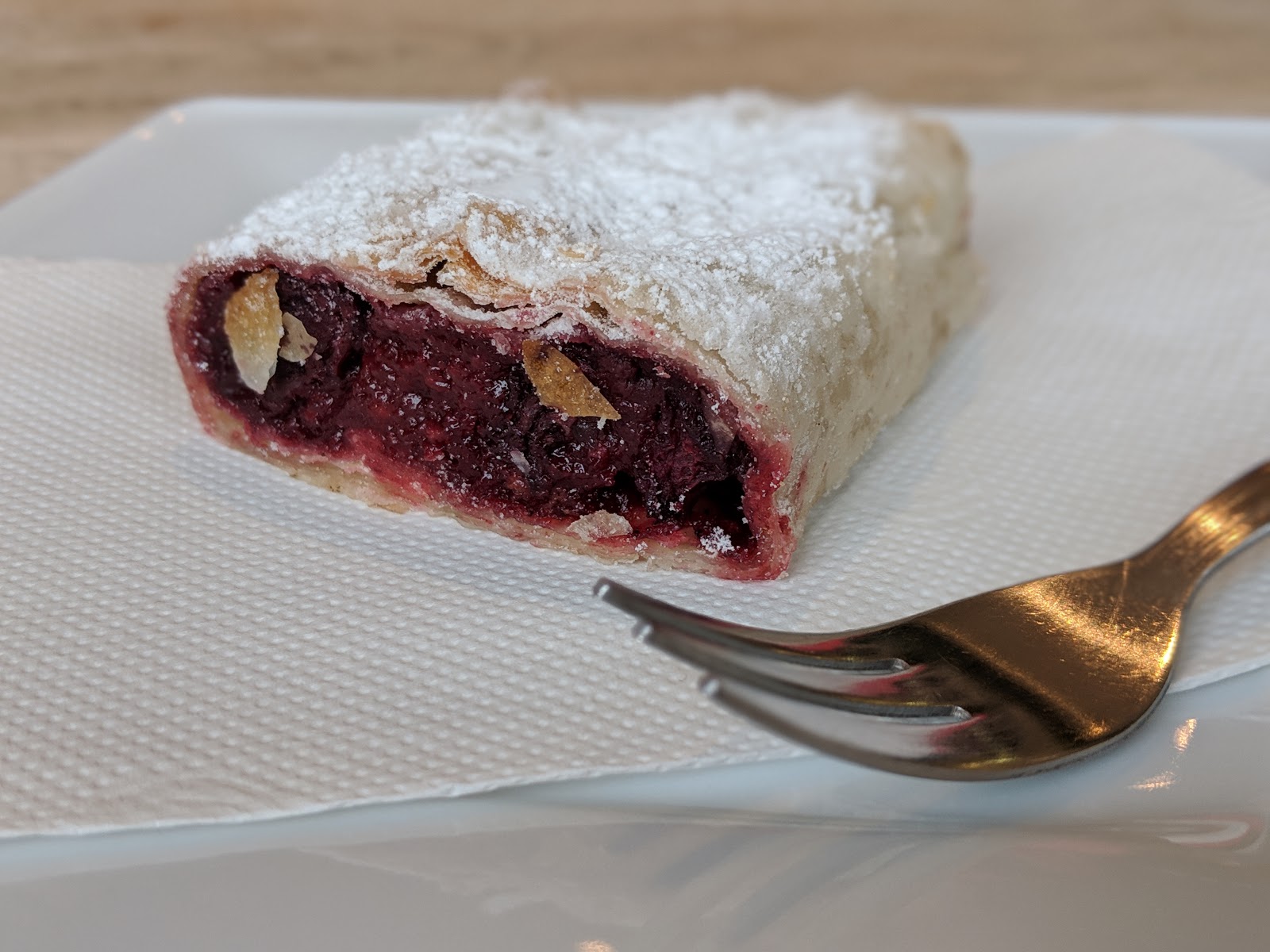
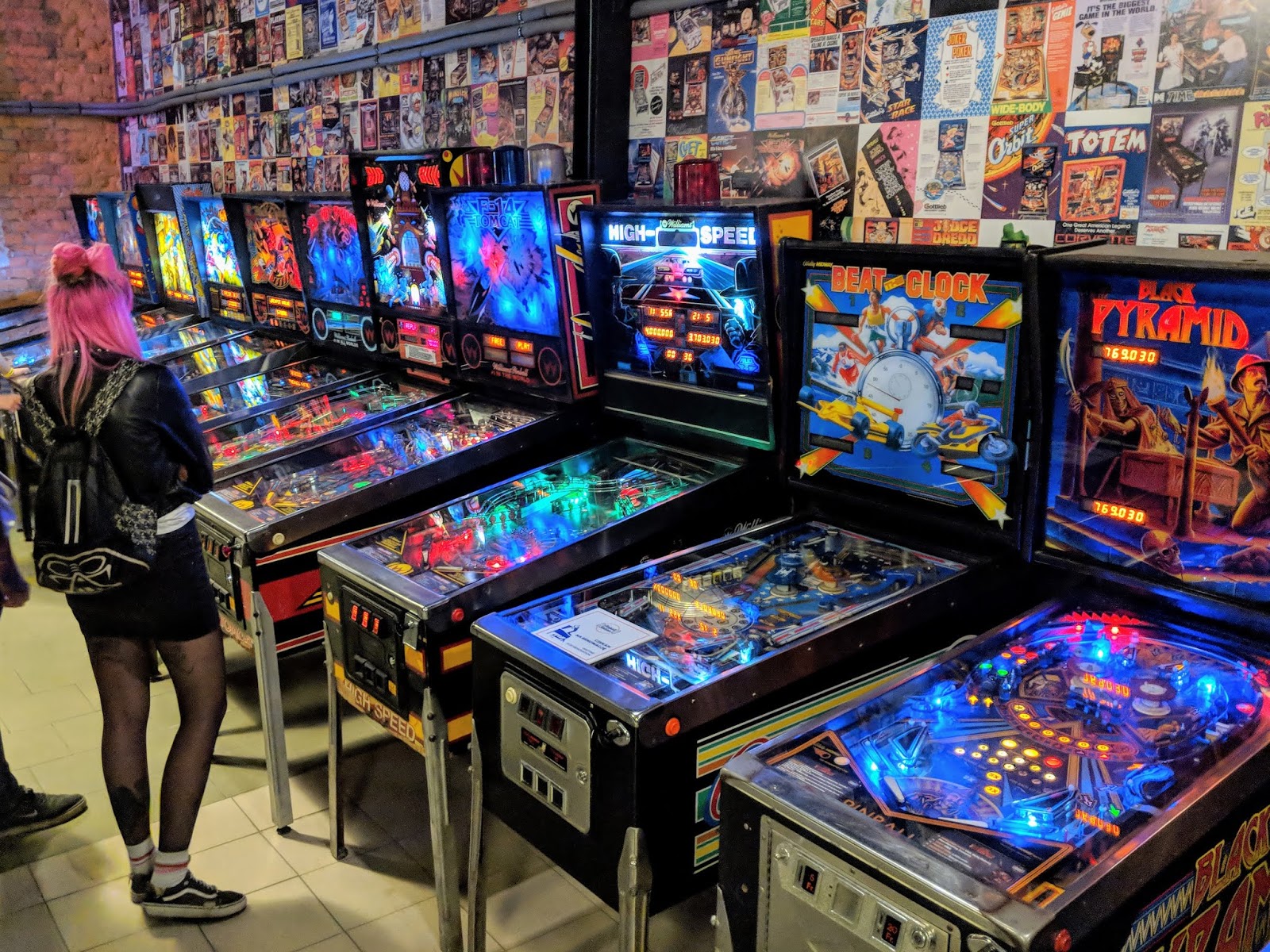
So, the eighth episode of our radio pod program cast show is on lovely Budapest. Mangalitza pork, ruin pubs, strudel, taphouses, goulash, pinball, and more. Find those smoked-and-fried rib tips in salted caramel sauce, my dudes. Also we name-drop Roger Protz.

Where we go:
Szimpla Kert
First Craft Beer & BBQ
Élesztő
Neked Csak Dezső
Hedon Taproom
Flippermúzeum


Besides the Hedon Taproom, we discuss the Hedon Brewery & Playground down on Lake Balaton. I wondered aloud about whether it could be a day trip from Budapest. It could be -- it's about 80 minutes' drive southwest of the city, says Google Maps -- but obviously driving back from a brewery is not ideal. There are holiday rentals and resorts nearby though. I think you should do this.


Tuesday, April 2, 2019

One More Road for the Beer: Postcards from the Bar (Wild Card Edition).

We are not slaves to gimmickry. So far each episode has focused on one major city. A fun thing to do, but also limiting, no? What about all those in-between places?

How can we not mention, eventually, cycling around Flanders? Or drinking cask ale in Lancashire? Or the burgeoning beer and food scene in Costa Rica?

Do not answer those questions, for they are rhetorical. The point is, via careful experimentation, we have discovered an elegant answer: the wild-card episode. It's a hodge-podge. It's like a little stack of breezy postcards that take 30 minutes to read in total, instead of just one postcard with 30 minutes worth of teeny-tiny but no doubt very insightful writing upon it.

In this, the seventh installment of our episodic radio-cast program, we talk about cycling around a bit of West Flanders, Belgium; visiting a few traditional/neighborhood pubs in Lancashire; and a blossoming scene for food and beer around my old friend Chepe, a.k.a. San José, Costa Rica.

So, as you can imagine, this map looks different.

Cycling around Poperinge & Watou:
Palace Hotel
Brouwerij St. Bernardus
Wethuys
Poperinge Hop Museum

Lancashire:
Prince of Wales (Chorley)
Bob Inn (Chorley)
Beer School (Westhoughton, Bolton)

Costa Rica:
Costa Rica's Craft Brewing Co.
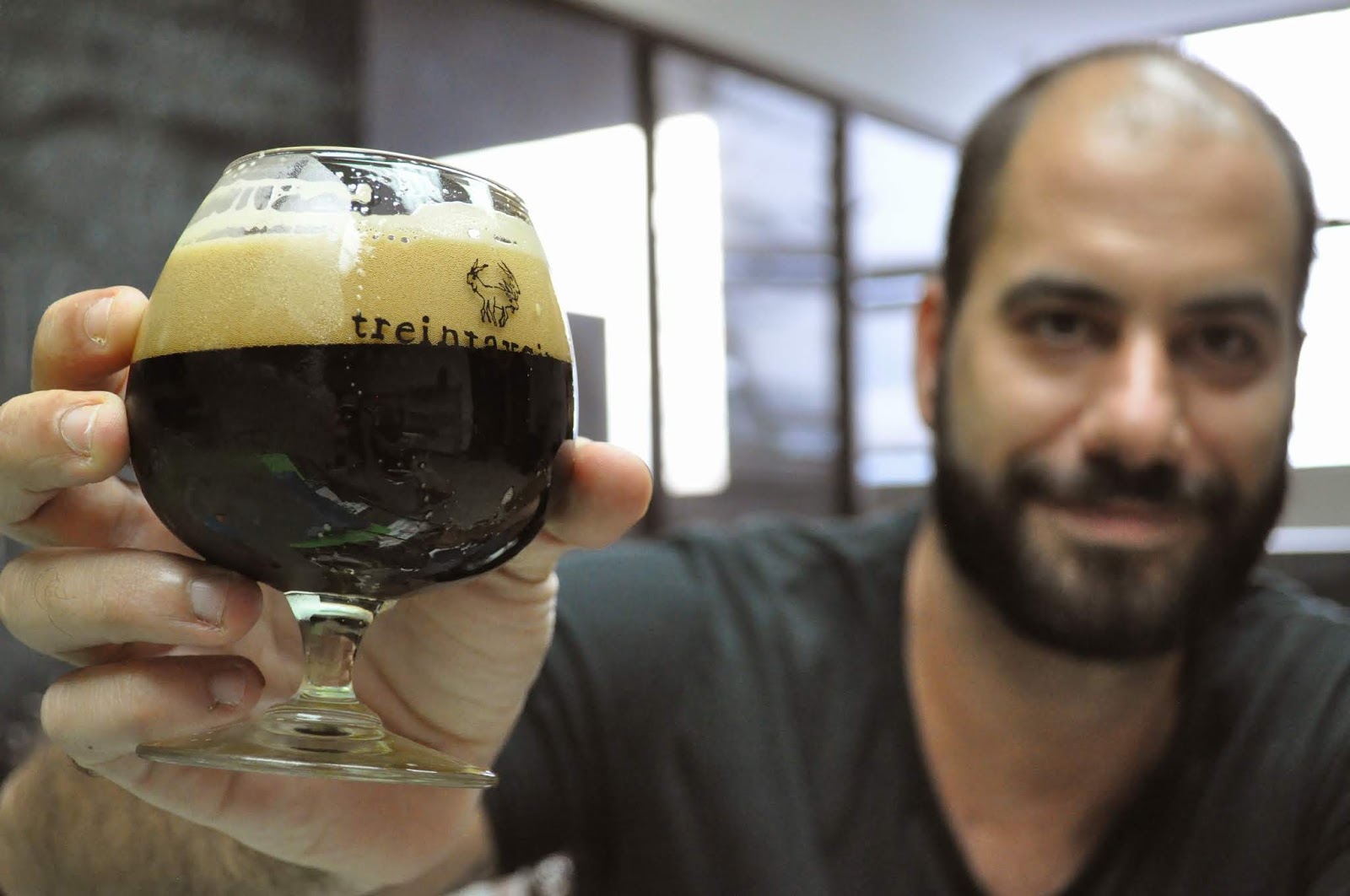
Treintaycinco
Barrio Escalante
Al Mercat
Mercado Central


And here is Ignacio from Treintaycinco in Ciudad Colon, Costa Rica. Tell him we sent you.


Tuesday, March 12, 2019

Kölsch and Kavier on the Rhine, er, Spree.

You can find the whole world in Berlin -- Turkey, Sudan, Taiwan, Chile, Canada, you name it.

Hell, you can even find the Rhineland.

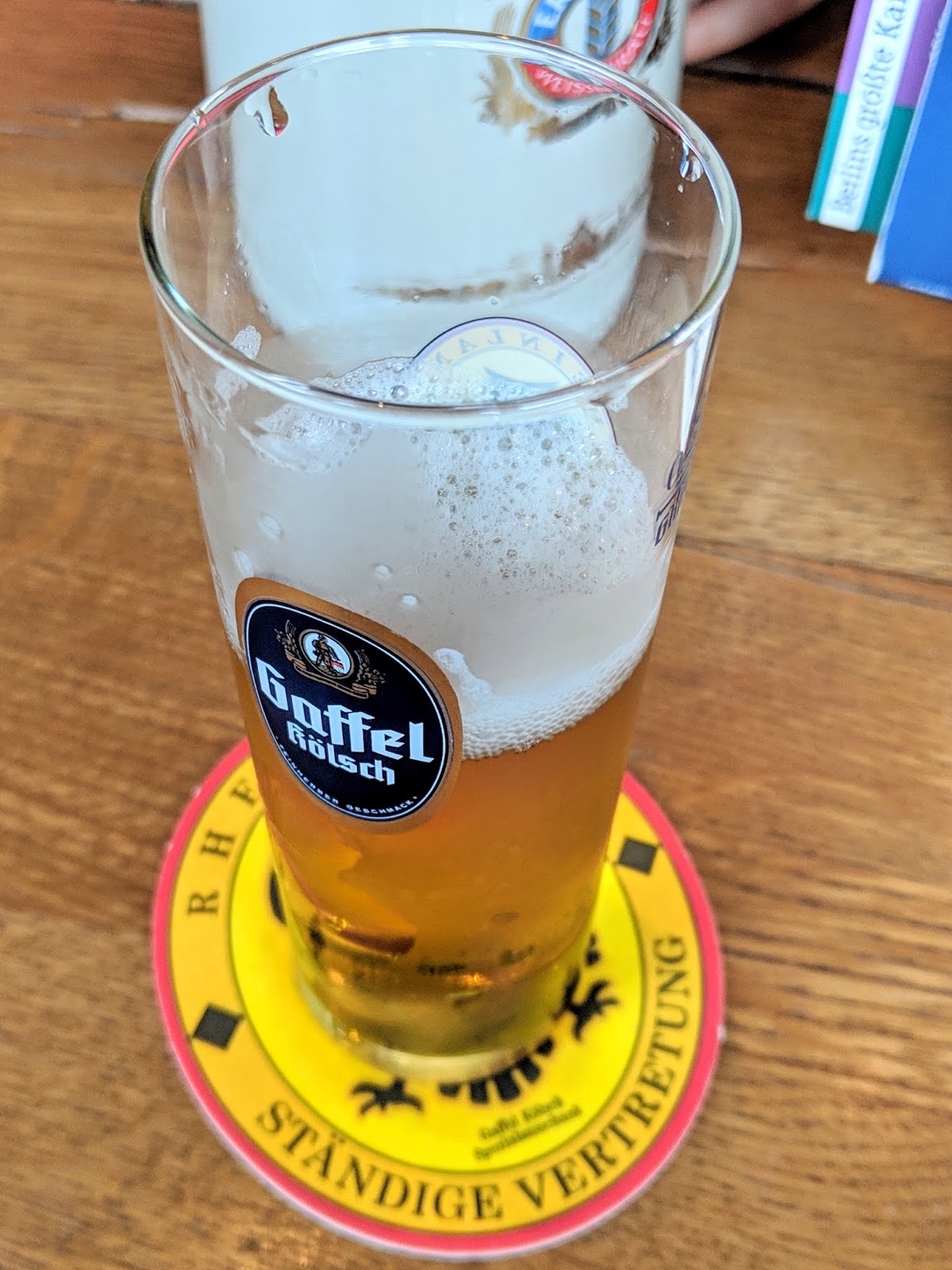
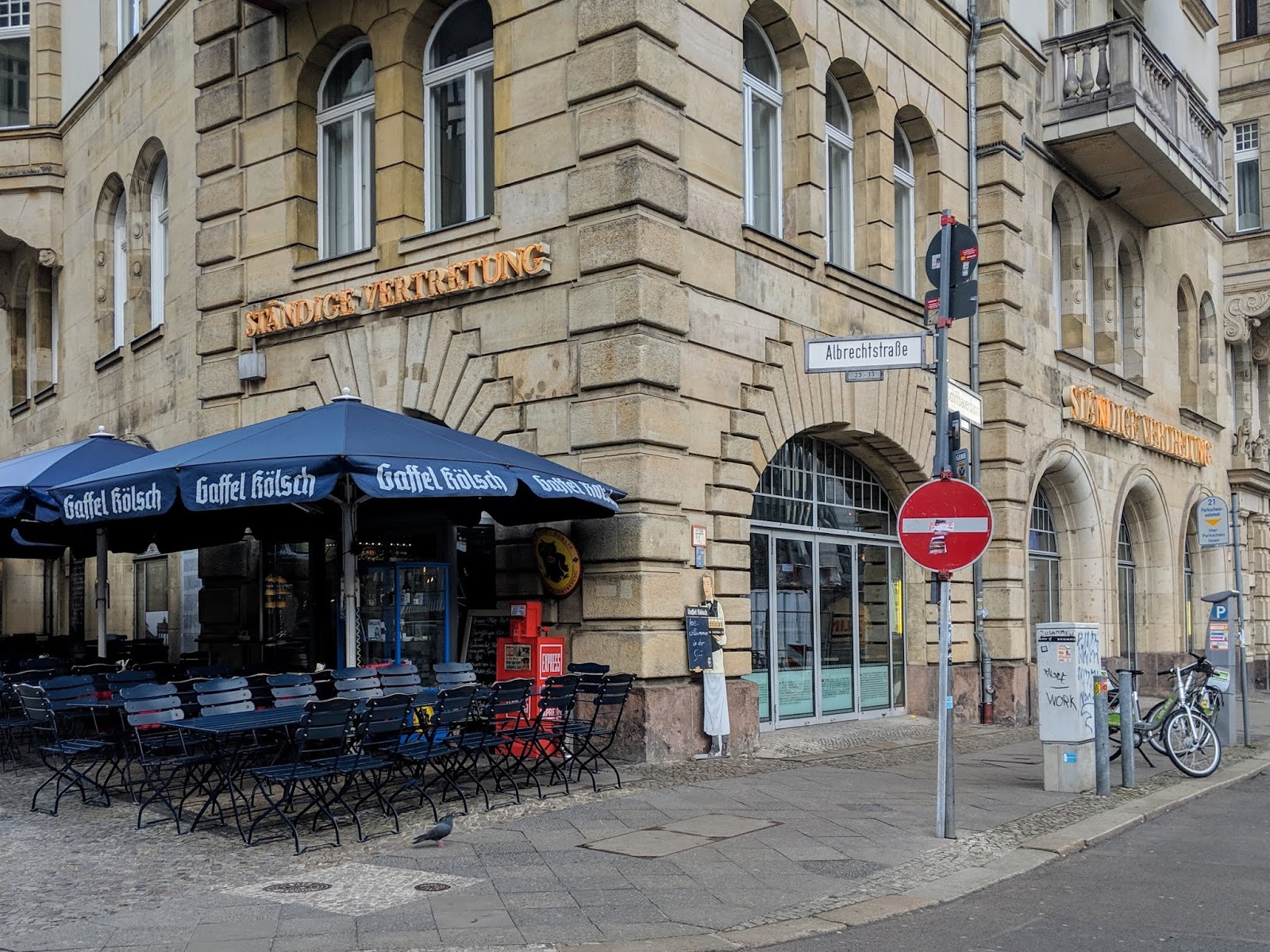
On the north bank of the Spree, but pretending it is the Rhine, is the Ständige Vertretung -- the "Standing Mission." This is near the heart of Mitte, across the river from Friedrichstrasse station, and close to things like the Reichstag and Brandenburg Gate -- perfect spot for a tourist trap. But is it one? That depends on how you define "trap." Does it need to be overpriced and inauthentic to qualify?

There are plenty of places in Berlin where you can wallow in "ostalgia" -- a willfully forgetful longing for East Germany. Here at Ständige Vertretung the thing is "westalgia" -- a wistfulness for the days when the West German capital was in Bonn. The name alludes to the fact that West Germany could not recognize the East as a sovereign nation, so instead of an embassy there was a standing mission. In the Nineties one of the restaurant's founders campaigned loudly against moving the capital from Bonn back to Berlin -- partly, it must be said, to get publicity for his business. The Ständige Vertretung became an outpost of Rhenisch culture, ostensibly for all the uprooted bureaucrats whose work moved to Berlin. Tourists inevitably found it, lured by location, a splash of history, and layers of framed nostalgia.

Fresh Gaffel Kölsch is the beer here. At the bar they'll keep filling 20 cl stange glasses for €1.90 each (about US$2.15). If sitting at a table you can opt for 25 cl (€2.40) or half-liter (€4.80). You can even get a 10-liter pittermännchen -- a spigoted barrel for you and companions to pour yourselves. That costs €89, a slight savings. These prices are somewhat expensive for Berlin; less so if considering the location and specialty.

They churn out plenty of big meaty plates and flammküchen here, but consider the nibbles -- the "Kölsche tapas." You can get bread with lard and crackling (Schmalzstulle) for €2.90, a big meatball/patty (bulette) for €3.20, or (my favorite), the Kölsch Kaviar for €4.50 -- blood sausage on rye rolls with mustard and raw onion. They serve those into the wee hours, after the kitchen has closed.

There also is a Gaffel Haus pub on nearby Dorotheenstraße; it calls itself the Kölsches Konsulat. It's only slightly more expensive; the concept is similar. The scrubtop-table atmosphere is more like the big brewery pubs in Köln, but less cozy than the Standing Mission. (Sadly we don't have a Päffgen outpost here.)

Berlin also has several Bavarian-style beer halls serving Munich Helles, some Franconian-themed places, and even a few Swabian restaurants and pubs. I like the idea of a traveler on a business trip, maybe here for a conference, with no time to go anywhere else in Germany -- but they can still get a taste. Certainly there is such a thing as a useful tourist trap.


Monday, March 11, 2019

One More Road for the Beer: Amsterdam.

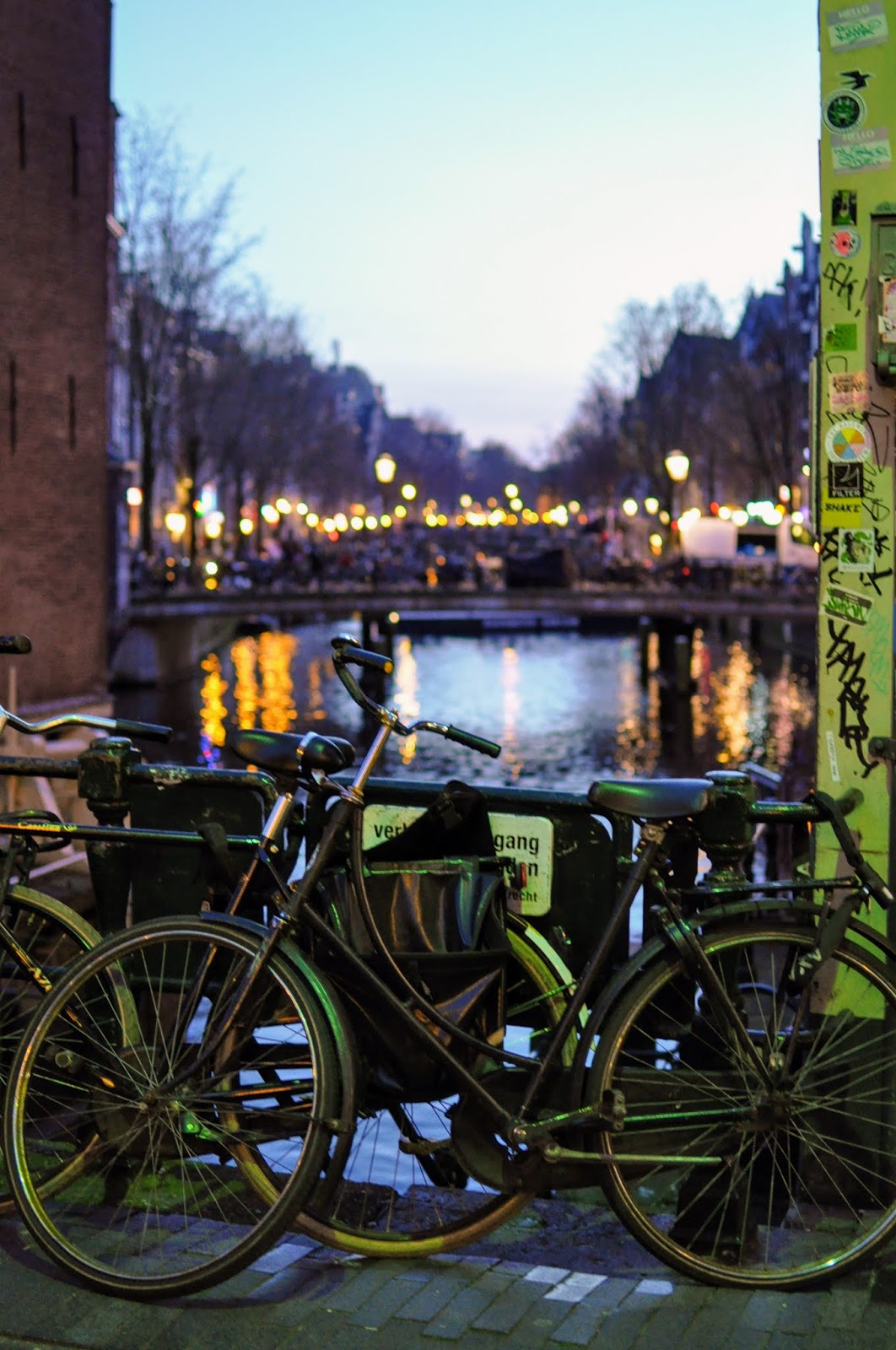
I think we managed to get through this show without mentioning coffee shops or the Red Light District even once. I mention them now only to mention that we don't mention them. Our focus here is on the beer, the brown cafés, the bitterballen, and a bit of genever.

It can be prohibitively expensive to stay in the over-touristed center, and we talk about how to get around that. But hey, Amsterdam is on your bucket list for a reason (the museums, no doubt). You should go. Other useful tips we discuss, briefly: The express train from the airport is easy. If you have a car, you can park at the airport and take the train right to the center. Or you can stay in Haarlem and take the train from there. Hell, you can stay in Antwerp and make it a day trip (80-minute train ride on Thalys).

Here are the places we discuss, and a map:
Pilsener Club
In De Wildeman
Foodhallen
Butcher's Tears
Arendsnest
Olofspoort
Elfde Gebod
Gollem (four locations)
De Zotte


And please remember to eat bitterballen responsibly. They are filled with meat lava.


Friday, February 15, 2019

One More Road for the Beer: Bamberg.

Our fifth episode is ready, all queued up for your doodads. We're on iTunes, Stitcher, Soundcloud, and most of those things that cast pods. Please enjoy our radio program while you hit the treadmill or walk the pupper or drive to work or stroll to your next pub.

Bamberg is the smallest city we've done so far, and yet -- as always -- there are a bunch of good places we don't mention. Why? Because we like this format of 30 to 40 minutes. It's digestible, just enough time to give you the highest of the highlights for a weekend trip. Mind you, we would like to talk more. Oh we could go on. We're geeks and it would be easy to blather, start drinking beer, belch into the mic. Instead we're trying to be choosy about the info -- while still putting it into context and drawing you a picture, so to speak. Anyway, that's the goal.

With that in mind I want to mention a useful app for getting more out of Bamberg. Fred Waltman's Bamberg Beer Guide is another thing you can put on your doodad, available in the Apple Store and on Google Play. Or there is a website version here. Listen to Fred, he knows.

Meanwhile this is a pretty good introduction. Here's where we go in this episode, and a map:

Schlenkerla
Spezial
Fässla
Spezial Keller
Wilde Rose Keller
Greifenklau
Torschuster
Café Abseits

Also mentioned:
Hotel am Brauerei Dreieck
Keesmann
Mahr's


We have this rad idea for schwag: black T-shirts that say "One More Road for the Beer: European Tour 2019." On the back would be a list of the cities we're hitting. These shirts should be pretty metal, with skulls and whatnot. You'd buy that, right? If only we could afford schwag. Hey, would you like to be an underwriter?

Next week... We're not sure yet. Maybe Amsterdam or Budapest.


Friday, February 1, 2019

One More Road for the Beer: Warsaw.

Pull on your thickest winter socks, put your feet up, and pour yourself a glass of something thick and black. It's time to talk Polish beer. Here is our fourth show.

Something I forgot to mention: the Polish Beer Lovers' Party, because it's a cool part of the story of Poland's transition (or return) to being a more serious beer-drinking country after Communism. The Beer Lovers' Party had a brief heyday -- they had seats in Parliament and everything -- in the early 1990s when the possibilities of democracy must have seemed nearly infinite. Their main plank was to promote people meeting in pubs to talk and drink beer (instead of getting drunk on vodka). They were successful enough to splinter apart amid disagreements. When I imagine this happening, I picture the People's Front of Judea.

Warsaw is the capital and has more than 50 multitap beer bars, so the city made a convenient excuse to talk about Polish beer and Baltic porter. There are several other nice cities with thriving scenes though -- Wroclaw, Krakow, Gdansk, Poznan, and more. If you go, you may want to make use of the site OnTap.pl. Loads of multitaps and beer lists there -- far more than we could ever hope to mention.

Here's what we mention on the show, and a map:

Jabeerwocky
PiwPaw Beer Heaven
PiwPaw Parkingowa (their other main location)
Same Krafty
Same Krafty Viz-a-viz
Pijalnia Wódka i Piwa (but there are other locations)
Maryensztadt Craft Beer & Food
Pinball Station


We talked about smoky beers on this show but it appears we are just getting started. Next episode: Bamberg.


Friday, January 18, 2019

One More Road for the Beer: Rome.

Well, here is our third show. Prego!

We recorded it Tuesday. After doing my homework on this stuff all day -- ugh, how do you pronounce cacio e pepe again? -- it turned out that I had a hankering for cacio e pepe. So I cooked it for dinner and stuffed myself. Then we went and did the show and talked about all this food and so I got hungry again.

One of the highest compliments is when someone says the show makes them want to buy a plane ticket. After listening to the Rome show you might want to make yourself a tall mortadella sandwich on ciabatta, then buy a plane ticket. In fact I want one right now.

So, three cities in three countries so far, and pronunciation has been an amusing challenge. One mistake I caught this time is that for My Ale we say MEE-ah-leh when I think it might be pronounced MY-ah-leh. That's because it turns out the Italian word for pork is maiale, when I thought it was miale. Scusate!

Here are the places we mention in the Rome show:

Luppulo Station
Ma Che Siete Venuti a Fà
Bir & Fud
L'Osteria di Birra del Borgo
Birra e Sale
Be.Re
Birra Piú
My Ale
Pork 'n' Roll


Bear in mind that in any of these cities we are only scratching the surface. We might well have mentioned Birra Baladin or Brasserie 4:20, for example. Hey, you should go there too. But we like the length of these shows. So we each pick a handful of favorite must-dos and let the chips fall where they may.

Another source I'd recommend for anything food-related in Rome is Katie Parla. She has a website, an app, writes books, does guided tours. Listen to her. She won't lead you wrong.

You should be able to find our show on iTunes, Stitcher, Castbox, Podbean, Spotify and Soundcloud. For technical reasons because we're based in Germany, we haven't figured out how to submit to Google Play yet. Not sure what's going on there but we're working on it.

Next show: Warsaw. The Polish beer scene is humming and I get to talk about Baltic porter. No doubt we will pronounce everything perfectly.


Friday, January 4, 2019

One More Road for the Beer: Prague.

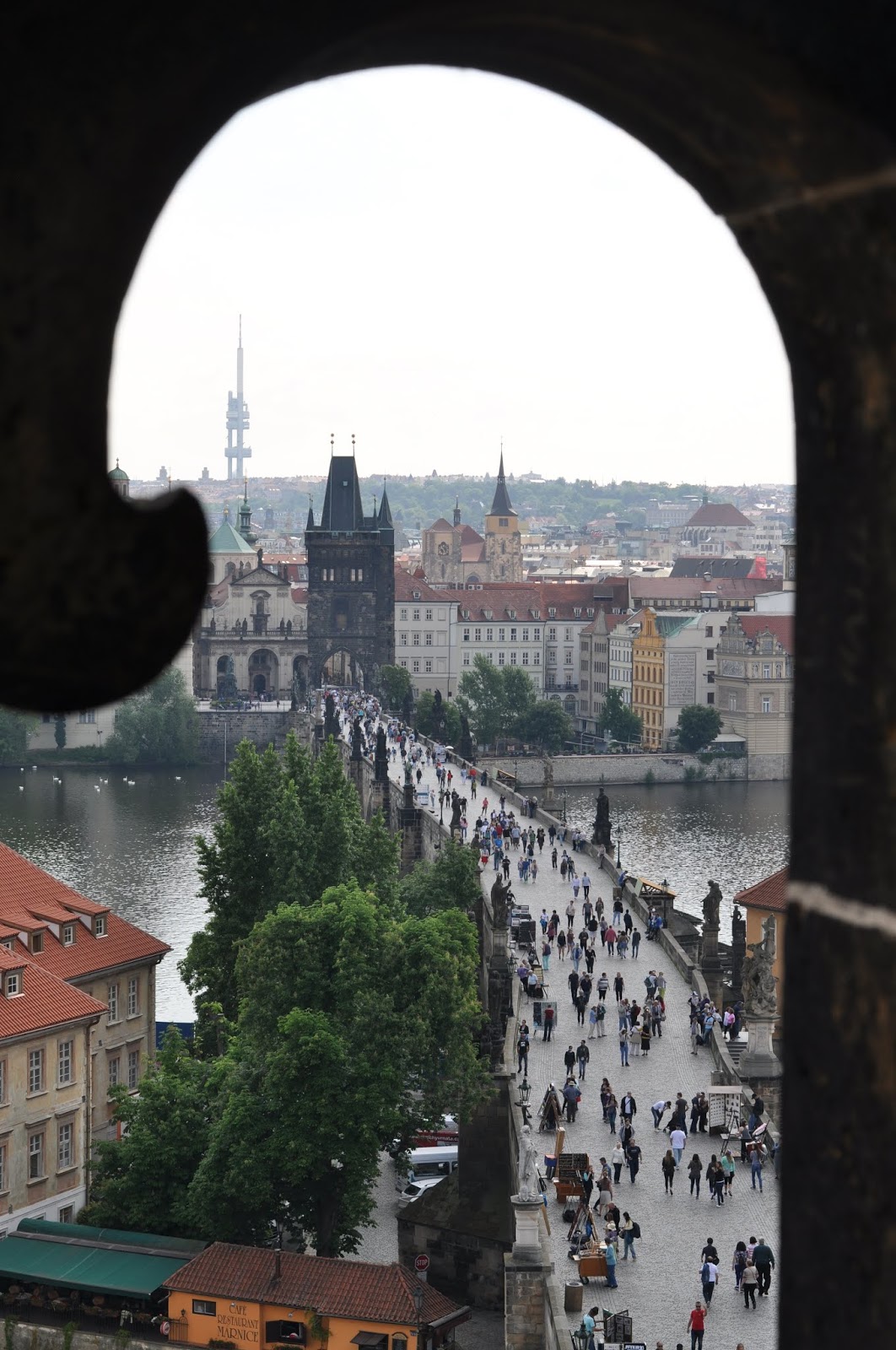
So, here is our second show. It's about one of the most beautiful cities on Earth, which happens to be the capital of one of the greatest beer drinking countries on Earth. If you like Prague, or Czech beer, or if even if you just like lager, you'll want to insert it into your earholes. This will make you thirsty and hungry and stoke whatever fire it is that burns the hours searching for discount airfares.

We give kudos to Evan Rail. He taught us much. Here are inexpensive used copies of his Good Beer Guide to Prague and the Czech Republic, published 10 years ago but still useful for some older breweries, pubs, and the context of Czech brewing and drinking culture. Let's all tell him he should write another one. He could crowdfund a new Prague pub guide. We would all throw wadded fistfuls of cash at him.

Speaking of cash, we at One More Road for the Beer are looking for sponsors. Or underwriters, if you prefer. Fair warning: I've been an independent journalist/critic type for more than 20 years. So I feel compelled to clear my throat and note that all editorial content remains totally independent. I might even be tempted to say horrible things about you just to prove it. Just the same, you'd reach a curious and growing audience of anglophones who like to spend money on food, drink and travel. But since I do not sully my hands with this filthy lucre, if you or your company is interested, please reach out to Zach at zach dot johnston at uproxx dot com. (Do people still need to spell out email addresses that way? I do not know.)

Here are the places we mention in this, our second useful episode, followed by a neat map:

Lokál
Zlý časy
U Šumavy
Kolkovna Olympia
Pivovarský Klub
Brevnov cloister and brewery
Klášterní šenk
Hotel Adalbert
U Medvidku brewery and hotel
U Dvou Koček
Letenské Sady beer garden
Riegrovy Sady beer garden
První Pivní Tramway


The shows are on Soundcloud, iTunes, and other services like Stitcher that deal in podded casts. I don't know much about them. If you can't find it on a particular service or app-thingy, let us know and we'll oil whatever part of the machine is creaky.

We plan to record another show or two again very soon. We're not quite sure what city we're doing next but we have lots of ideas. Warsaw? Rome? London? Bamberg or Berlin or Düsseldorf or Munich? Antwerp or Bruges or Ghent? Feel free to nudge us.

Friday, December 21, 2018

One More Road for the Beer: Brussels.

So, we're launching a podcast. Zach Johnston of UPROXX and myself. It's many months in the making, starting with a long series of those late-evening half-drunken "Wouldn't it be cool if..." talks that you don't really think will go anywhere.

It's called One More Road for the Beer. Put it in your earholes as you travel home for the holidays, or on your next commute. Let us know what you think.

Each episode will focus on a different city; we're trying to keep each one to 30 or 40 minutes... We want to hit the highest of the highlights, plus a few obscurities -- the places you'd want to visit if you're on a business trip or only have a couple of days in town. And we aim to put it all in context. We want to put you in the atmosphere. We want the beer foam to tickle your nose. We want you to smell the local snacks.

In case you listen and want to look them up, here are the places we mention in the first show (and a map!):

Grand Place
Cantillon
Moeder Lambic Fontainas
Moeder Lambic Original
Poechenellekelder
Nüetnigenough
Fleur en Papier Doré
Les Brasseurs
Bier Tempel
Delhaize on Anspach
Petit Filou


We also mention beers from Cantillon, Senne, Tilquin, De Ranke, Oud Beersel, Dupont and Boon... more or less in that order.

Obviously we can only scratch the surface in each city. When possible we'll point you toward additional resources... In this case we're in my wheelhouse, and I'd humbly suggest Around Brussels in 80 Beers or the Good Beer Guide Belgium.

Notable correction: When talking about Cantillon in the 1970s, I should have said Jean-Pierre Van Roy was responsible for starting the nonprofit museum side of the operation. For some reason I just said Jean, which the name of Jean-Pierre's son who is now in charge. First-show nerves, maybe.

Next episode: Prague.


Monday, December 17, 2018

What's Up with All Those Belgian Christmas Beers, Anyway?

The world's best-known festival of Christmas and winter beers happened over the weekend. There they poured 187 different beers -- all made special for the season, all Belgian-brewed. Mind you, there are only about 240 breweries in Belgium. Not a bad ratio.

The Kerstbierfestival is in Essen, at Belgium's North Pole (near the Dutch border). The organizers go to great lengths to source every Belgian Christmas beer they can. Their first was in 1994, when they were able to find 38 of them. At that time there were about 110 breweries in the country.

What we can draw from this? For one, we can see that the number of special Christmas brews has expanded right alongside the number of small, independent breweries. That makes sense. It also makes sense (to me, anyway) that the existence of the festival in Essen has had something to do with it. Brewers know the event and want their beer to be a part of it.

So those are a couple of the possible answers to the question of why Christmas beers have become such a big thing in Belgium. Here are some other explanations I've heard or read at various times:

The faux-historical one: In the legendary old days the Belgian farmer-brewers would have had surplus grain after the harvest, so they would brew stronger ales to enjoy for the winter holidays. It's somewhat plausible and makes a nice story. I haven't found any evidence of it.

Palm started it: In 1947 it released Palm Dobbel, a somewhat stronger version of Palm delivered to clients as a thank you, and also to celebrate the brewery's bicentennial (based on a now dubious date shrouded in mist; in 1747 it would have been the De Hoorn farm brewery, which is older than that). Off the top of my head I can't think of any present-day Belgian holiday beers older than this one. That doesn't make it the first.

No, Artois started it: The story goes that Artois in Leuven introduced Stella as a Christmas beer named, sort of, for the Star of Bethlehem. However our friend Evan Rail has had a look at the brewing records. Trouble is, the brewery had fermentation problems with its earlier batches and didn't release the beer commercially until August 1927. From then on it was year-round. Thus I feel reasonably confident in declaring the Stella Christmas story to be nonsense. (Interestingly, the AB InBev site says it released Stella as "une bière de Noël, respectant en cela une coutume de l'époque," or "volgens de toenmalige traditie." That is, according to the custom of the time. So, maybe holiday beers really were a thing back then. Or, maybe we should be careful not to trust anything found on marketing websites, and this one in particular.)

Blame the British: Senne brewmaster Yvan De Baets -- whose Zinnebir Xmas is one of the best -- once told me his theory that the Belgians got the idea from the British, especially after World War I. This was a time when the Belgians were trying out pale ales and stouts too, so why not Christmas ales? (But as with other consumables, the Belgians have a special way of adding their own panache.) This is a rather plausible theory that also matches up somewhat with the timing of the Palm and Stella stories. If it was a "custom of the time," maybe this is why.

The capitalistic one: It's the money, stupid. You don't need to go to the Kerstbierfestival or fancy bottle shops to find Belgian Christmas beers. You can go to nearly any supermarket in Belgium and find endcap displays full of them. Or you can visit many corner cafés to find table tents and posters advertising brands like Palm Dobbel, Bush Noël, or Tongerlo Christmas, to name a few of the more common ones. They're nominally only available this one time of year, so many customers go for it. Not many brewers want to miss out on that.

More thoughts from De Baets: "As a brewer I can tell you what gets us moving, sometimes at least: We see clients, pubs, making an emphasis on Christmas beers at the end of the year and all the customers having their interest focused on them. So, what do we do? Well, we simply make one also. It maintains a interest in our products, it's as basic as that."

The truth may be some combination of all these things (er, minus the Stella bit): old traditions, good marketing sense, and a whole bunch of smaller breweries well versed in cranking out variety and oddities -- what's one more, to them? Why not join the fun?

Tuesday, October 2, 2018

Pubs of Berlin: The Strassenbahn.

How near to your home does a "local" need to be?

I don't live in one of the hipper parts of Berlin that are chock-a-block with bars. I live in a sleepy, green, leafy part of town where bars -- even smoky old Kiezkneipen* -- are far less common than retirement homes and samey, mediocre Italian restaurants. So I think anywhere within about 20 minutes' walk qualifies, to me, as a potential local. So what about a 20-minute bike ride, does that count?

I can walk to the excellent Foersters Feine Biere in about 20 minutes, and that makes me lucky. I call it my local. But at the moment it's closed for cleaning and repairs after some water damage in the summer. I wonder if the other regular punters in the neighborhood feel like I do... a bit rudderless without it. Even if I only pop in there once or twice a month, I like to know that I can.

There is another candidate not too far away: the Strassenbahn. It's been on my mind because I ride past it on the bus sometimes. A Kloster Andechs sign hangs out front, and that gets my attention. Eventually I remember to look the place up and see what it's about. Not long after, I invite a friend to meet me there, to finally go and have a look-see.

It turns out I can bike there in eight minutes, whereas the walk would be a little less than half an hour. I'm going to activate the bicycle loophole here; it increases the radius of qualification. Strassenbahn is thus eligible as a backup local, in a pinch. By definition you can only have one real local, in my view. But maybe you can have alternates.

The Strassenbahn's name means "streetcar." It sits just outside the Ring, halfway between the Bundesplatz and Heidelberger Platz stations. The busy bridges for S-Bahn trains and car traffic are visible from the pub's shady terrace, whose venerable trees nearly dominate the intersection.

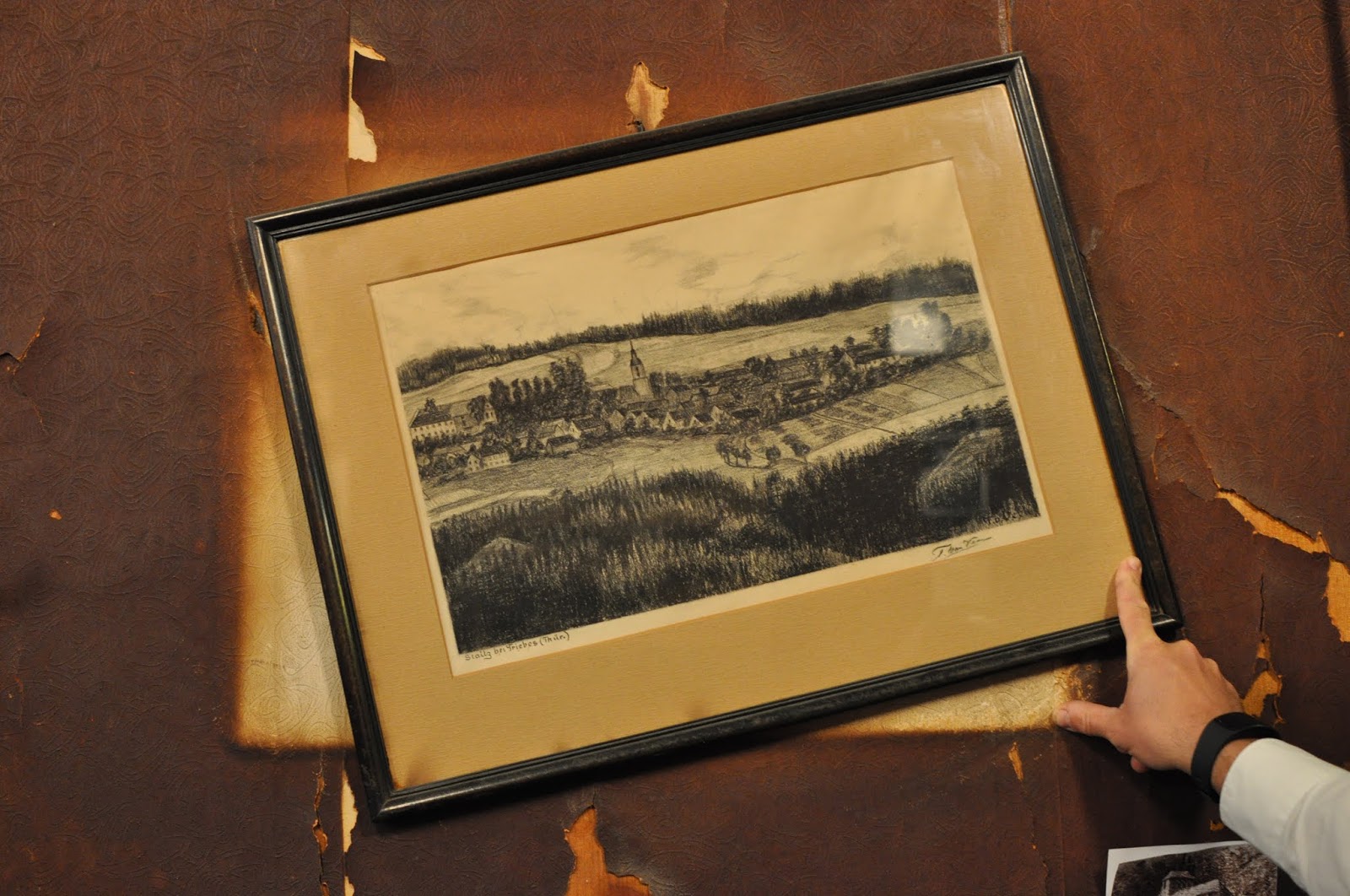
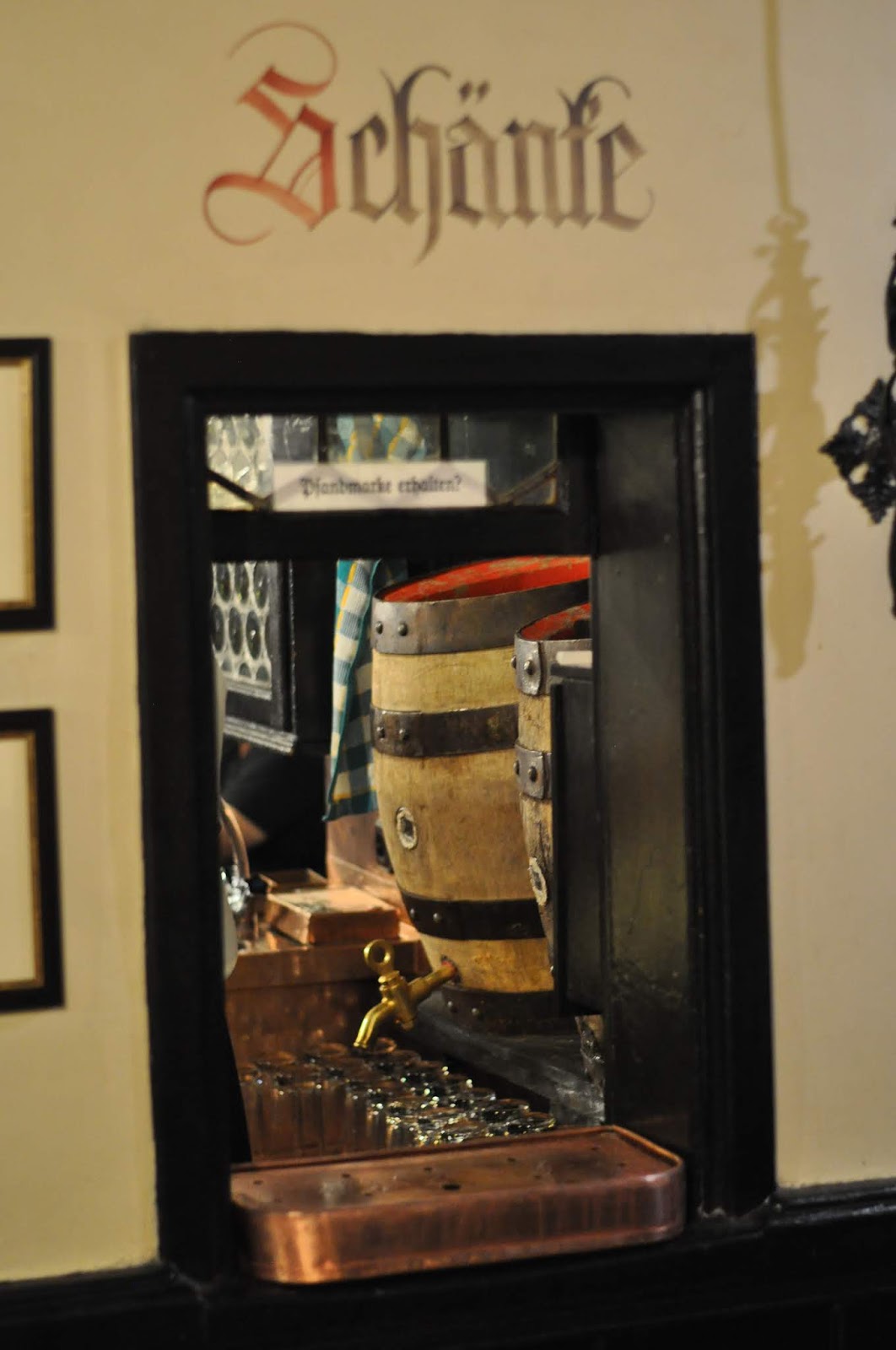
Inside is plenty of dark wood, lampshades, old signage and photos -- strong signals of Gemütlichkeit.** A chalkboard overhead lists various dinner specials, all scratch cooking, most of it in the range of €5 to €8 per plate. Traditional North German things like herring share the menu with veggie moussaka or Thai curry soup. The main front barroom is non-smoking. I gather there is a smoking room somewhere, though I never notice it.

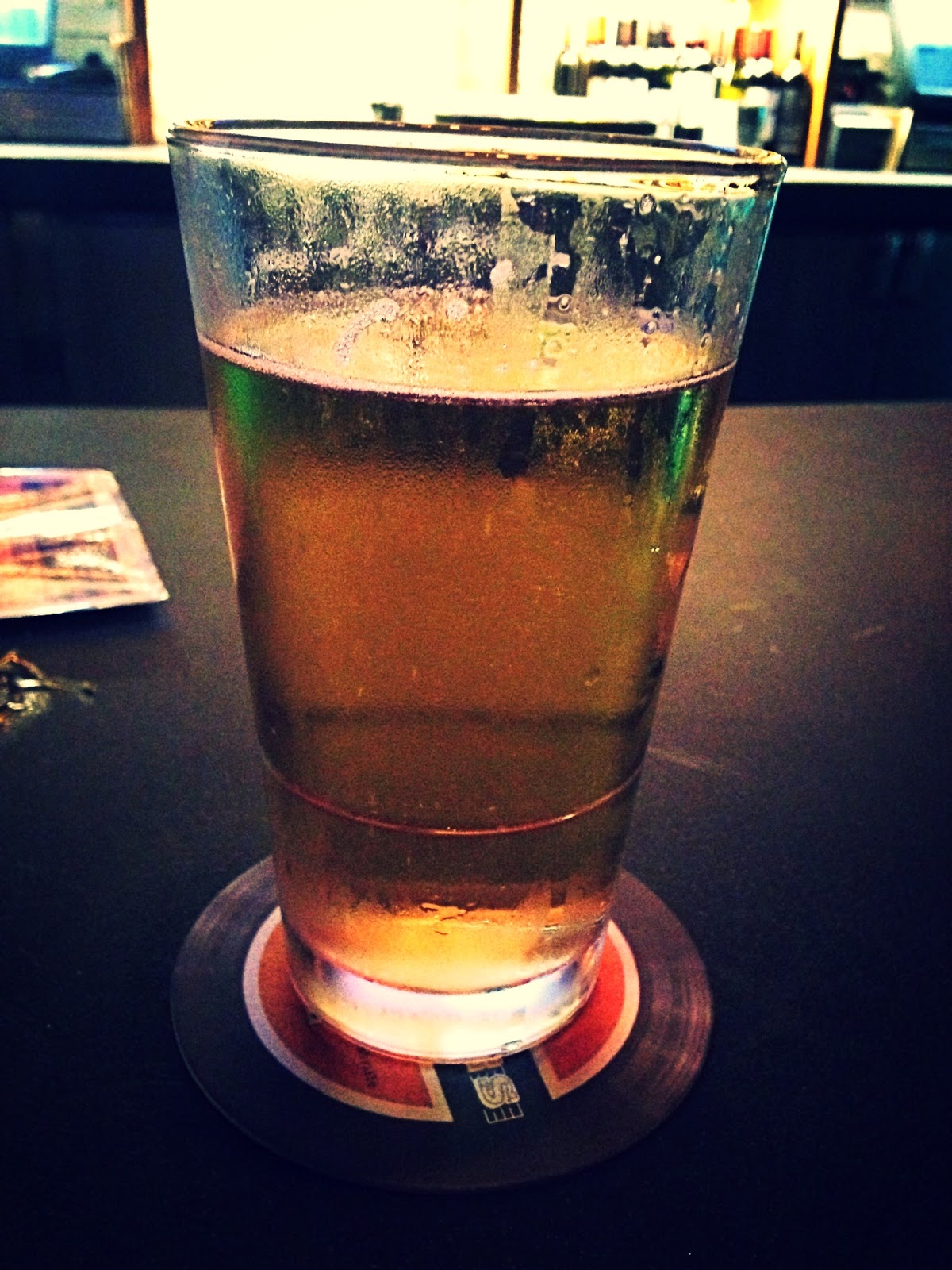
Unusually for a place like this, there are eight taps. The favored house pils is Franconian -- from Frankenwälder Burgerbräu in Naila -- so we start with that. It's the cheapest on the menu at €2.95 a half-liter, which suggests a concerted effort to have a beer of that size under €3. It implies some combination of nostalgia and general principle. (As you can see in the photos, the beers are also beautifully poured here.) The 1464 Pils itself is pretty fine; relatively thin for its region, moderately spicy-bitter, clean. For a Franconian pils it tastes a bit Northern. You could drink a lot of it without much arm-twisting.

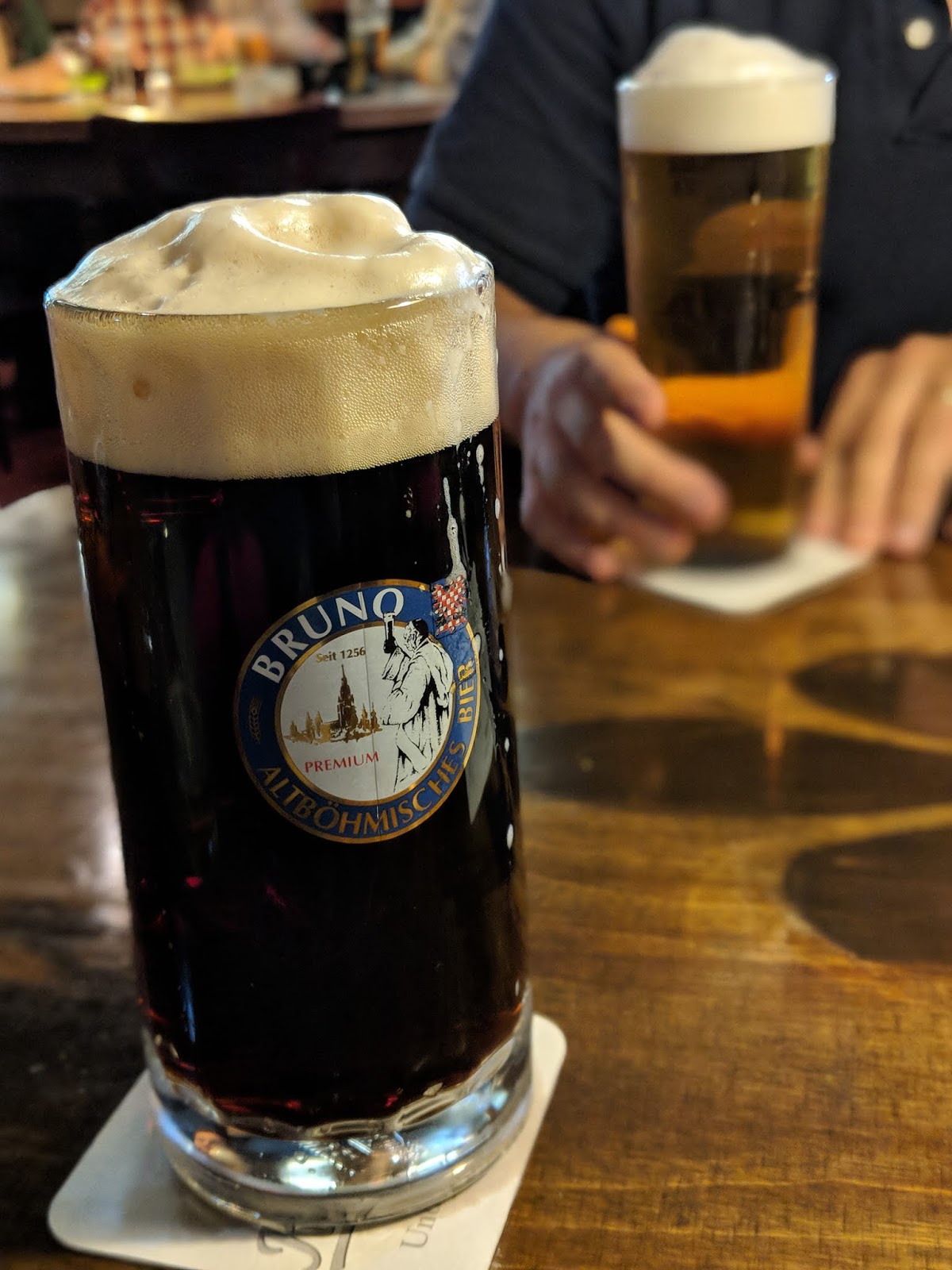
Next I go dark, to one listed on the menu as Bruno Schwarzbier. I've done my homework and already know it to be a tmavý ležák, one of those Czech-brewed dark lagers that tend to be richer and more malty than any German Schwarzbier. At 3.8% strength it is a 10-degree tmavý, which is pretty unusual in Czechia. In Germany it's legally a Schankbier. It tastes bigger: light caramelized sweetness, note of spicy licorice mingling with the roast. A lot of character but, again, very easy to drink. Later, when I think about going back to the Strassenbahn, this is the beer I think about most. That lush foam sticks in my memory too.

For my third and last beer I go with the one that drew my eyes here in the first place: Andechser Spezial Hell. At 5.8% strength this is no ordinary helles; it's a proper festbier. It's harvest time, you know? It pulls off that great Bavarian balancing act of sweet fulsome malt, gentle bitterness, and a finish just dry enough to keep you wanting more. Hey, some people think these beers are boring. I meet them sometimes, like this American working in Munich who says he doesn't like Bavarian beers, he only wants IPA. These people exist. I pity them.

There is another interesting thing about the Strassenbahn: It calls itself a Kneipenkollektiv -- a collectively owned pub. Six friends founded it a few weeks before I was born -- that is, a few weeks before Star Wars premiered. According to the website, they suspect that they are the oldest remaining collective in Berlin. Everybody who works there gets paid the same. Some proceeds go to charity.

No pricey pale ales here, no fruited IPAs, no selection of 100 bottled beers. Just a handful of well-brewed and perfectly poured lagers at fair prices. This is why I scratch my head when I visit Stone and see something like Mahrs U going for €6.50 per half-liter. Because it's robbery, that's why. There is no need to pay that much for a good lager if you're willing to look around town a bit, and visit some local institutions.

* Neighborhood bars, including Eckkneipen -- corner bars. Important Berlin institutions.
** Coziness.

Wednesday, July 25, 2018

Bastogne, and Beer.

My memory of the Bastogne Historical Center before it was refurbished is probably unfair. I remember it as a dusty collection of wartime junk and an old-timey fake news reel or two to put you in the mood. Surely there was more to it than that. My clearest memory is an old bottle of Fort Pitt Pilsner that would have been some GI's beer ration.

The center reopened, after a much needed refurbishment, in March 2014 as the Bastogne War Museum. Focusing (naturally) on the Battle of the Bulge, it immediately became one of Belgium's most enthralling history museums.

The audioguide is obligatory, and it does most of the work. As you walk around to various exhibits, reading to your heart's content, the earphones tell a story that switches between four different perspectives -- four characters who were "there." Besides the obligatory American paratrooper there is a Nazi German officer, a local school boy, and a young teacher who has collaborated with the Resistance. Video screens stationed around the museum add depth, replaying interviews with locals as well as German and American veterans who remember. The interviews themselves are a treasure.

The story reaches an emotional climax when the characters' stories intersect in a recreated Bastogne estaminet -- or rather, in its cellar. The seats for museum visitors are wooden café chairs with tables; all that's missing is a cool glass of beer (though there are plenty of opportunities for that in Bastogne afterward). Old-fashioned signs for Orval hang on the walls, though I doubt they're period-accurate. No harm done, since Orval's style is timeless.

Other beer artifacts spotted in the collection: a small printed world atlas for British soldiers, provided by Bass and with its familiar logo on the front; a large German beer bottle whose molded letters are hard to read, but appears to be from a brewery in Koblenz; and those familiar old bottles of Fort Pitt.

About that beer ration: I'm sure it was welcome, but perhaps not the godsend we might imagine -- not for soldiers in the European theater, anyway. Anecdotally, US troops had a taste for stronger stuff and found plenty of it in France, Belgium, the Netherlands and Germany -- cellars and shops full of wine, cognac, schnapps. At times the locals shared it freely; more often it was simply taken. One of the surprising things -- or perhaps not so surprising, all things considered -- about World War II anecdotes from US soldiers is how often they were drunk.

Outside the museum, a "screaming eagle" sculpture honors the 101st Airborne, donated by the "city and citizens of Bastogne." It appears poised to drink from a helmet -- based on the story of a paratrooper who comforted his wounded buddy by filling his own helmet with beer (twice) from a local tavern.

In recent years a sweet, strong brown ale named Airborne, brewed at Bouillon, has taken over the cafés of Bastogne. The deal is you drink it from a ceramic beer helmet -- the sort of gimmickry at which Belgium excels. The beer itself is no showstopper but it doesn't need to be. Think of all the old-timers who come and give it a go -- plenty of American tourists visit Bastogne, for obvious reasons, and they still include a few veterans.

They're unlikely to forget the experience.

Sunday, July 22, 2018

A Few Cruise Beers I Liked, and a Little About Them.

Somehow I only tasted eight of the 45 beers poured on Friday's Craft Beer Cruise, which kicked off the fourth annual Berlin Beer Week.

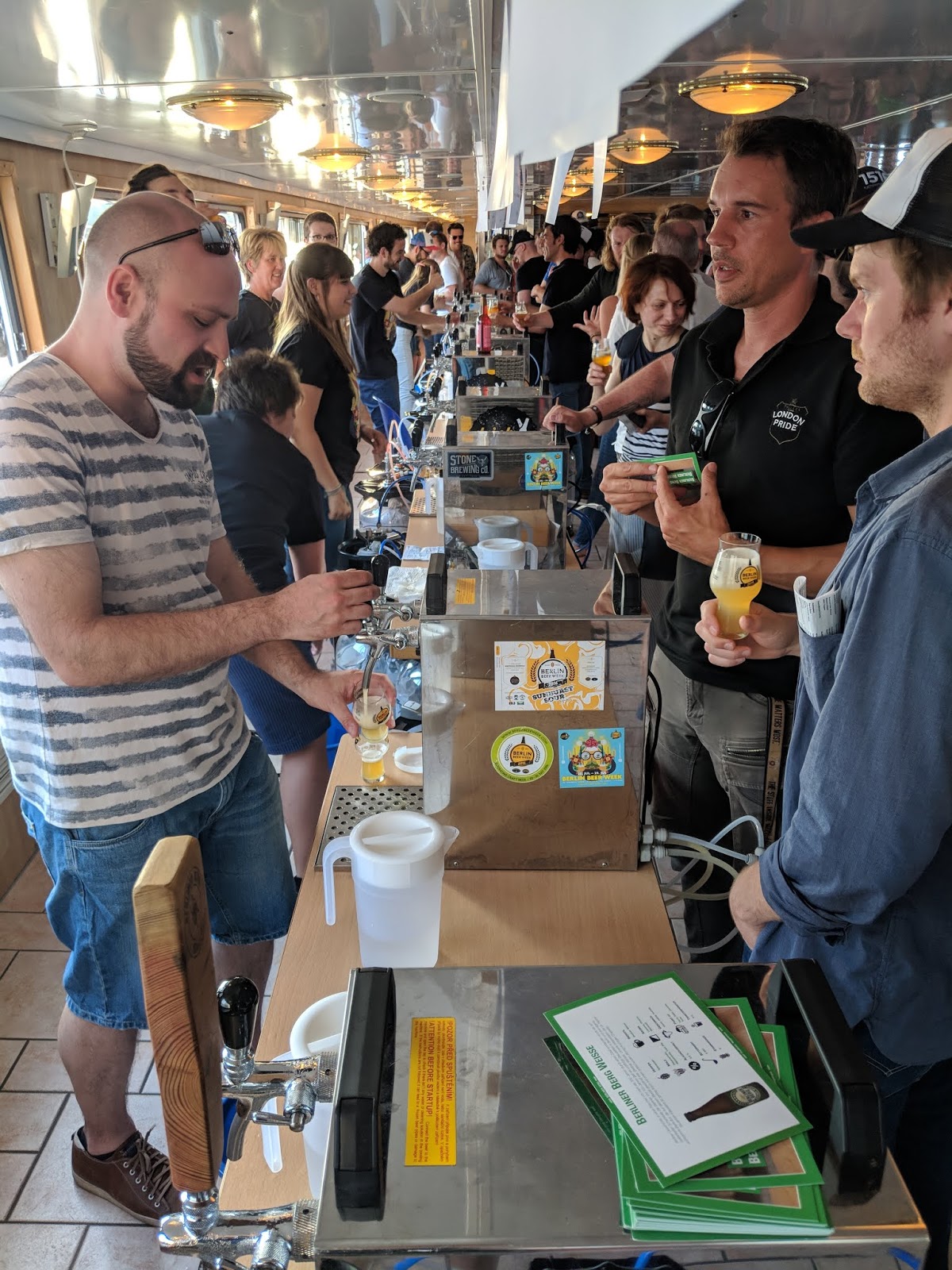
My relatively low tally may have had something to do with the perfect weather, best enjoyed on the top deck while watching Berlin's bustling riverbanks scroll slowly past. It looked like the whole city had come out to enjoy the sun and drink beer. ("Hey, you're drinking beer over there on that boat! Us too! WHOO!") Meanwhile the taps were all below decks. It surely also had something to do with the conversation. And the fact that I went back for seconds of a few that I really liked.

What beers I liked best, and a little about them:

Fürst Wiaçek Nimble: Session-strength cloudy hop nectar brewed in collaboration with Lervig of Norway, at 3.8% abv. Its tropical character reminded me of piña colada, with pineapple and coconut notes, making me wonder if it had those new Sabro hops (it didn't). Meanwhile it was clean, bitterish, dryish, and perfectly balanced. One of the very few "New England-style" ales I've had where I'd want multiple pints. It's proper Berlin-brewed too, as Fürst Wiaçek are now full-timers at the new CraftZentrum contract brewery in Spandau.

Schneider Weisse Tap X, Mein Nelson Sauvin: I don't need to say much about this one, because the Nelson Sauvin smelled and tasted muted -- nearly undetectable. (Tasting a couple of hop-bombs first thrashed our thresholds.) Which meant that it tasted basically like soft, gentle, sweet, strong Aventinus. So, world class. I also love the fact that the organizers have no qualms about embracing 146-year-old G.Schneider & Sohn aboard the craft boat. That's how it ought to work.

Heidenpeters/Hops & Barley Intense Pulse Lupulin: This amply hopped IPL was the only lager on the boat, and also one of the best beers on it (probably). Bitter and moderately dank rather than fruity. I look forward to getting to know it better over the next couple of months, when it's sure to keep appearing around town (as did the past couple of official BBW beers). Maybe it could've used more bitter-bite to balance the inevitable softness from so much dry-hopping. But then I'm nit-picking.

Kemker Elisabeth Farmhouse Ale: I'd never heard of them, and trying random saisons tends to be a masochistic exercise. So I was pleasantly surprised. I found distinct lemon-lime character from the hops (which I now see are Mittelfrüh) and grain (wheat and raw spelt). Because of that lemony grain taste I guessed wheat, but I didn't know. Moderately bitter, with a light tangy acidic impression, grassy and dry -- yeah, I could drink a lot of this. Turns out it's 4.5% abv too, very useful strength.
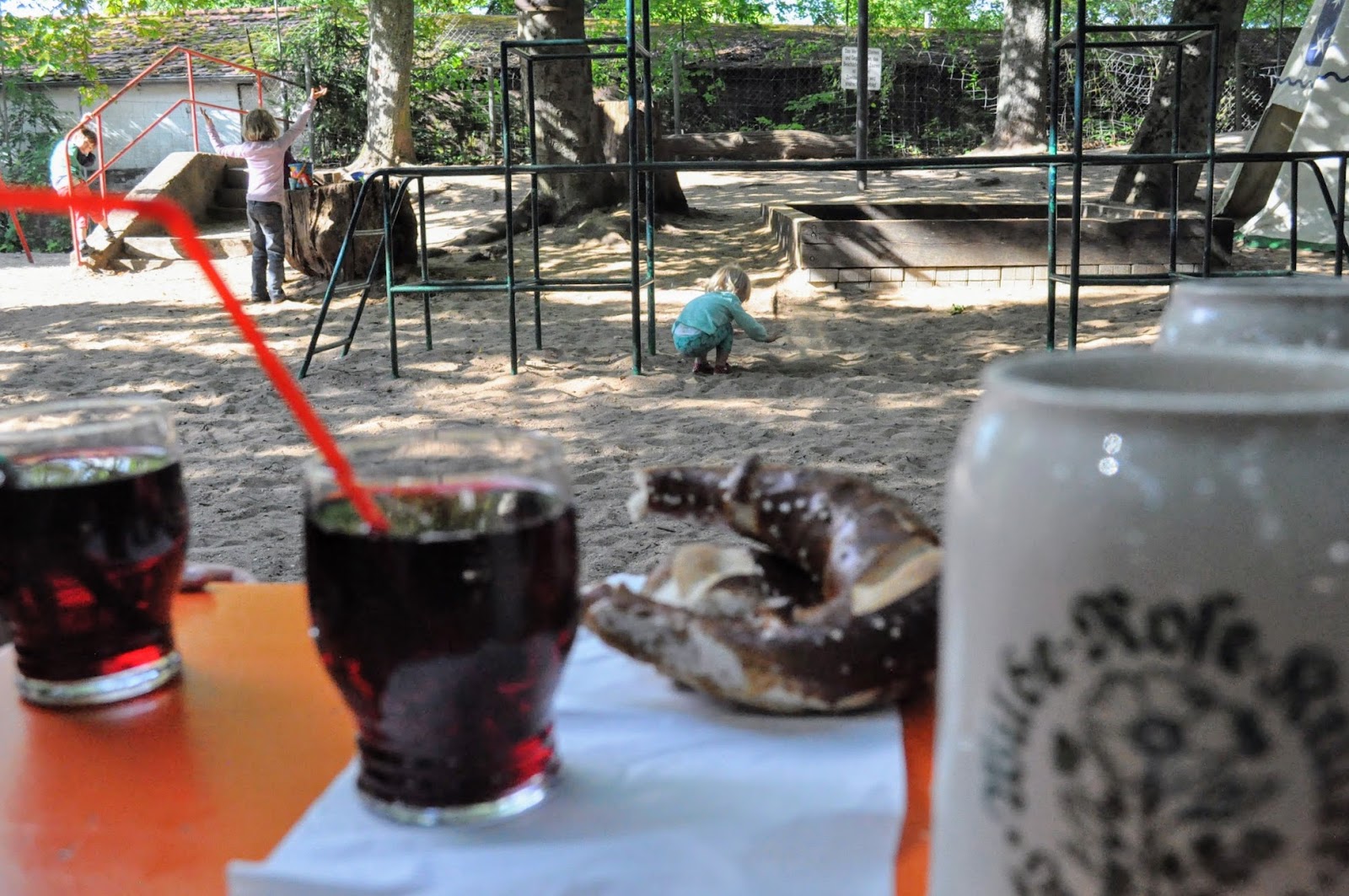
Kemker is a new firm based near Münster, in wee Alverskirchen. I don't know (yet) where this brew was actually made. In their garage, for all I know. I'm asking. Meanwhile they appear to be running a successful crowdfunding campaign to move their nanobrewery to a nearby farm. Could be a name to watch.

Friday, July 20, 2018

A Floating Fest on the Spree, and Its Variety Beers.

Berlin Beer Week launches this evening at 7 p.m. local time. That's when a passenger boat carrying about 330 people pushes off into the Spree for a three-hour floating beer festival.

The sold-out Craft Beer Cruise is the first event among more than 70 -- see the full list here -- planned for the Week's fourth year. It concludes July 28 with a big bash at Stone Berlin.

Cruise tickets sell out months in advance, snapped up by those in the know almost as soon as they are released.* Some of these folks work on the local beer scene in one way or another; many more are the fellow geeks and enthusiasts one tends to see at bars around town -- familiar faces. (Though I like to think there must be a few tourists with uncanny foresight.)

Berlin's beer scene is insular but friendly -- but I reckon most city's beer scenes are the same in that respect. That's what makes them "scenes" after all: like-minded folks gravitating toward something they enjoy. So if the scene is clubby, it's certainly not unwelcoming. That's a biased take from someone who often writes about these folks and their beers and bars.

The cruise features 44 beers from 44 different brewers (not counting several collaborations), plus the official Berlin Beer Week beer -- a "double dry-hopped India pale lager" called Intense Pulse Lupulin, brewed by Heindenpeters and Hops & Barley. Overall the list leans local with a good smattering of others from Germany and abroad. So each participating brewer (or firm) chooses one beer to send -- a presumably special beer, for a special event.

It may be instructive to break down the numbers, for a skewed snapshot of a Berlin-based variety-beer hootenanny.

Of those 44 beers, based on their own descriptions:

  • Sixteen are some form of "IPA," plus one IPL. How do those IPA's break down? Three are "sour." Three are "New England," plus one "Mango Milkshake." Three are "double" or "triple." Three are "session." So there is variety, sort of.
  • Fourteen appear to have been brewed with fruit, plus one cider. (Reinheitsgebot, schmeinheitsgebot.) Other ingredients include hemp, chamomile, Earl Grey tea, and black salt.
  • Ten use the words "sour" or "wild."
  • Four are billed as "DDH" or double dry-hopped, including the official BBW beer. Double dry-hopping is not new and it's weird that people make a thing of it now, but hey, people like adjectives.
  • Speaking of the BBW beer, the India pale lager... that's the only lager on the entire list.
  • There are four Berliner(-style) weisse beers, though only one of those (Berliner Berg's new cherried Kirsch Weisse) is actually brewed in Berlin.
  • There are three Goses, two of them fruited. One is Dutch, another Hungarian, and the third is Berlin-brewed in collaboration with a Russian brewery. No doubt the brewers, over their kettles, bowed in the direction of Leipzig.
Quick take: The selection is postmodern, not having much to do with Berlin or Germany. Based on the styles we could imagine it transposed with nearly any other "craft" beer festival, anywhere in the world. Also, not many sound especially drinkable. Interesting and taste-able, sure. Anyway, what would happen if one of them turns out to be a great quaffer? Would my 15 cl tasting glass magically turn into a half-liter? Nah. It ain't that kind of party.

Other Berlin Beer Week events: There are more than 70 of them. These sorts of schedules can induce FOMO among unseasoned tenderfoots. You can't do it all. If I had to pick three, I'd do these:
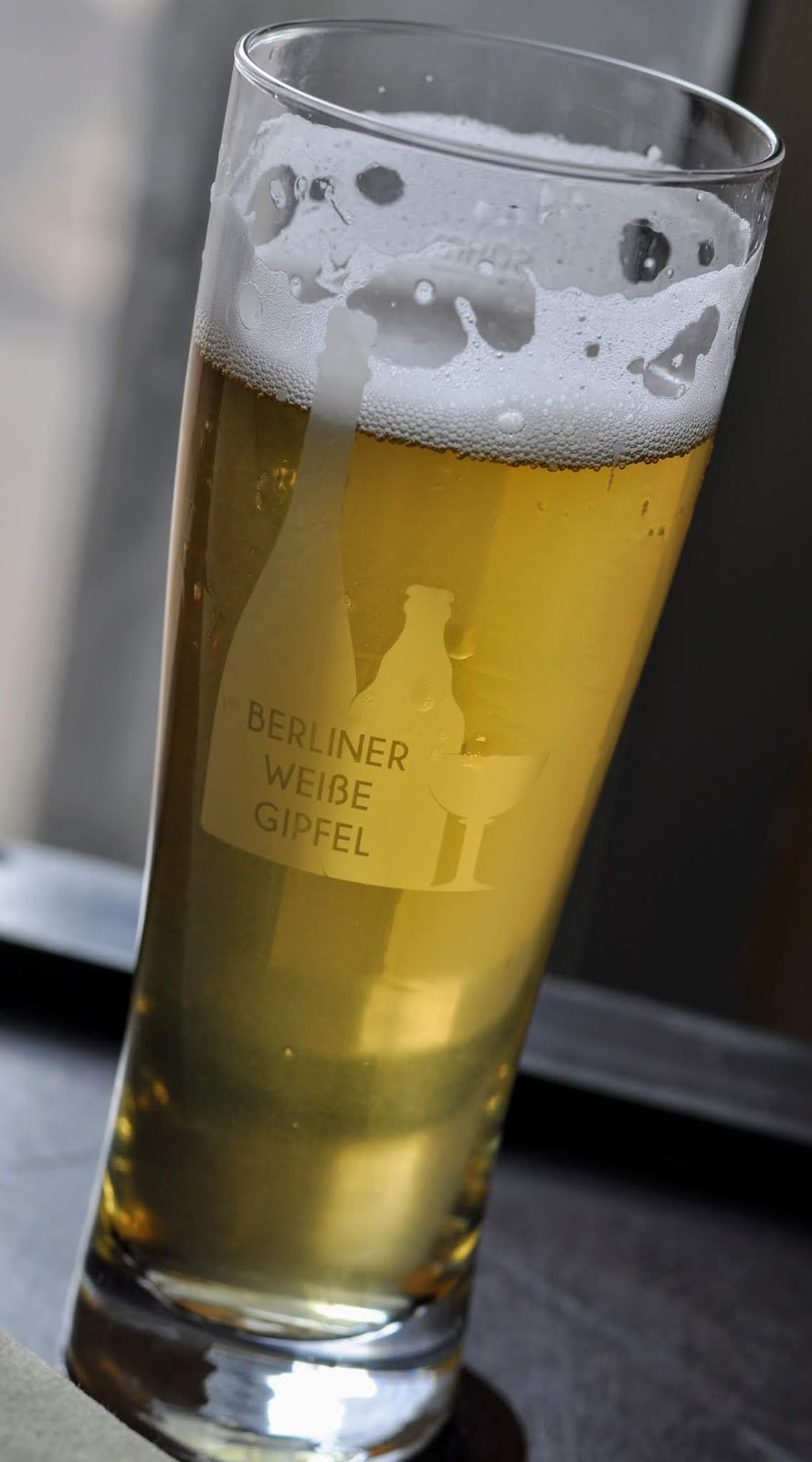
  1. Berliner Weiße Gipfel, at Brauhaus Lemke, tomorrow (July 21) from 14:00-21:00. A celebration of Berliner weisse, and a quasi-annual event that has helped spur a local revival of interest. (But are the locals actually drinking the stuff? That's a different story.) The €20 admission includes wonderfully geeky talks and as much low-pH beer as your tummy can handle.
  2. Hof ten Dormaal meet the brewer, at Bierlinie, July 26 from 16.00-20.00. I always enjoy talking to the Janssens. They are free with their opinions and genuinely enjoy what they're doing. Also I could drink their undersung Saison pretty much all day.
  3. Cantillon tap takeover, at the Muted Horn, July 27 from 15.00. Self-explanatory. You know, on second thought, don't go to this. I'm sure it won't be any fun. Everybody stay away.

* Disclosure: I have a press ticket for the cruise, as I write for a couple of local magazines (WHERE Berlin and Bier, Bars & Brauer) and previously wrote about Berlin Beer Week for DRAFT.

Friday, April 27, 2018

Loudness and LagerQuestTM.

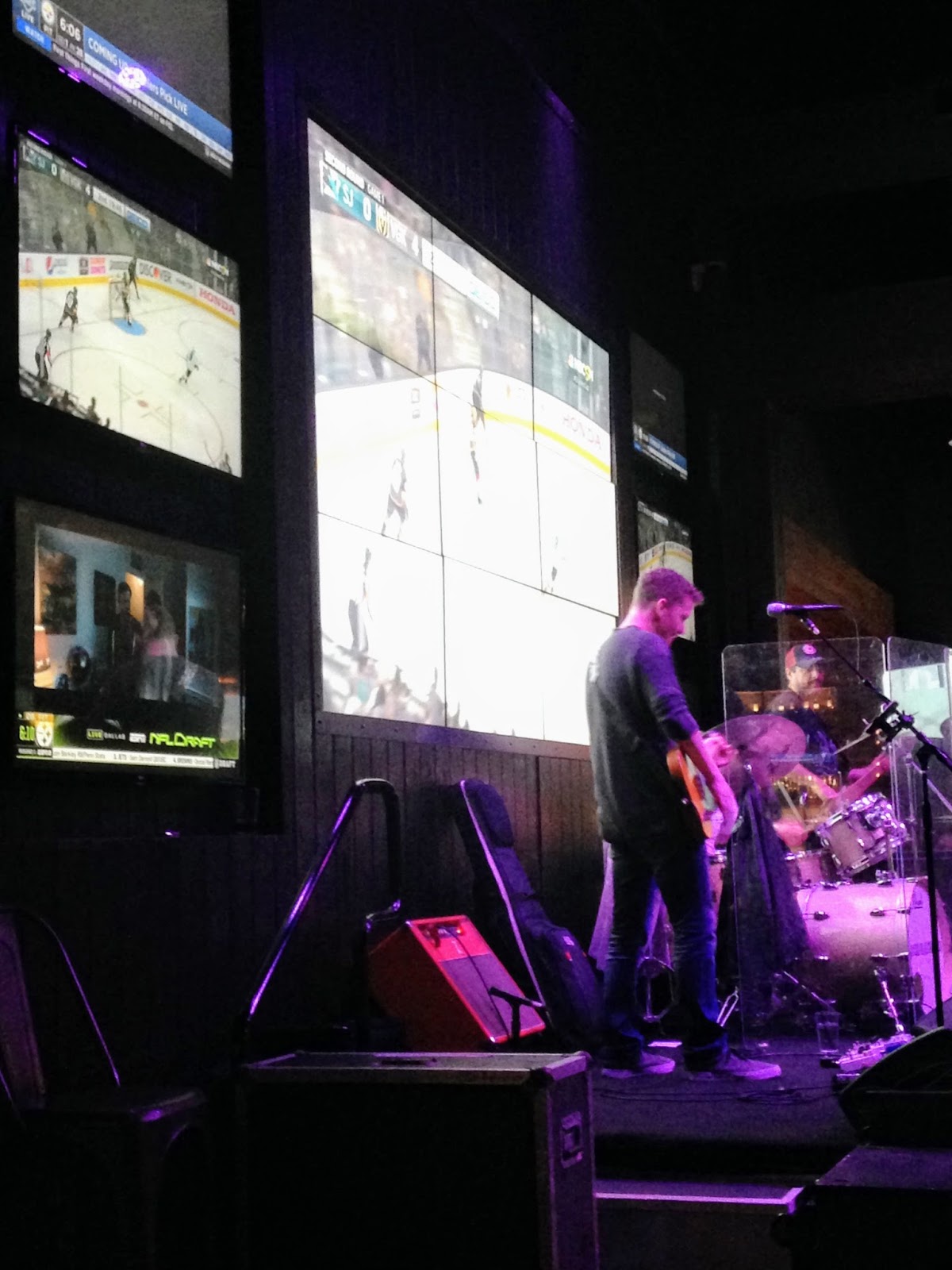
The bar is loud. There are gigantic TVs everywhere, the beer is tongue-numblingly cold with no foam of which to speak, and everyone is so gregariously friendly that it creeps me out at first, but it's OK because I can't hear them anyway. The bar is loud.

Must be back in America. I try to savor the surrealism of it while I can, before the reverse culture shock wears off, my accent returns, and it starts to feel normal again. Y'all.

Amid the overwhelming variety, or at least the illusion of it, it helps me to have a mission. Narrow things down, stay on the path, and out of trouble. So, I am on American LagerQuestTM. Now that I am completely spoiled by German and Czech lager, it's time to start tasting this American "craft lager" trend that y'all (gasp) keep talking and writing about.

Here is where I remind you that although I have been writing for American beer mags for more than 10 years, I have not lived in the U.S. for 12. In some ways my American beer-drinking brain remains stuck in the year 2006, and I like it that way. Perspective! So I get to marvel at all the marvelousness -- Voodoo Ranger IPA on an American Airlines flight! -- and also feel all smug and superior about things like the great travesty that is approximately 92.4% of American-brewed saison.

First go at LagerQuestTM last night, with the beer to help jet-lagged guy get a proper night's sleep, was underwhelming. Hotel bar has one called Tennessee Lager, so I had to, didn't I? From a brewery called Hap & Harry's, with a label/tap handle meant to evoke Jack Daniels and some measure of state pride. It tasted more bitter than its teeny IBUs thanks to ice-coldness and CO2 (read: fizzy). As such, it went down rather easily -- so, did its job. The malt sweetness was plain and understated. A bland beer but not badly done. But why pay extra when you could have a longneck domestic?

I promise not to judge America or even Tennessee by this one beer, painting with a broad and hugely unfair brush. I'll need to drink at least two more beers before I start doing that.

Friday, April 6, 2018

When and How German Beer Gardens Fall Short.

It's early April, a wonderful and frustrating time to be a beer garden enthusiast in Germany. Spring has sprung, the sun has too, and as the warmth grows so does our thirst. We need to get out there. Our kids need things to climb and room to run; our skins need Vitamin D; we need beer and laughs in the out of doors.

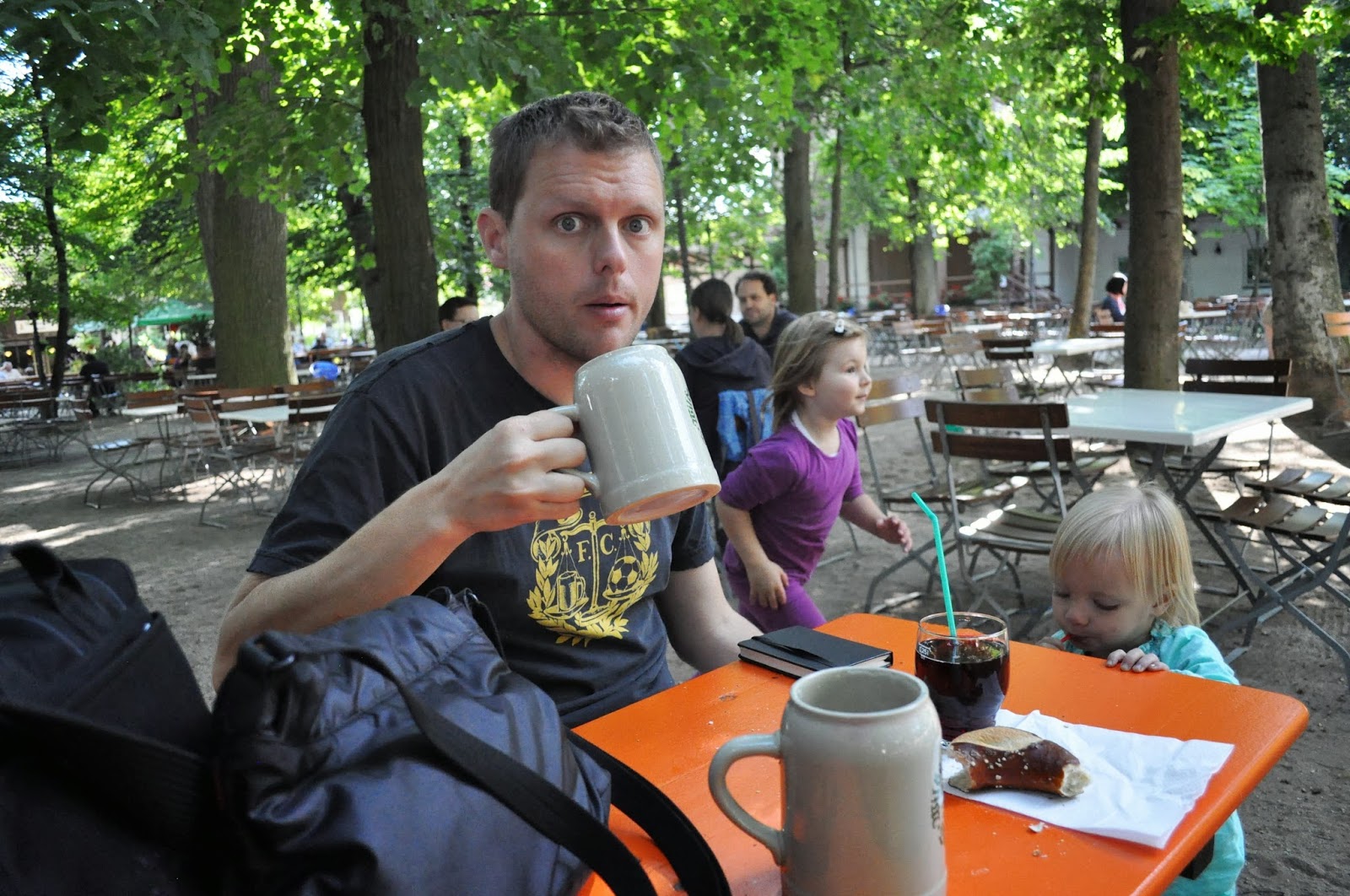
It's a great feeling -- to work all day or all week then go into the warm sun for cool beers with friends, while our kids run rampant in a place where such things are encouraged. The Biergärten are the best things for thirsty families. They kill a lot of birds with one cool, shady stone. Their existence is absolutely one of the highlights of living here.

But they are not perfect. Rather than get all rhapsodic it's far more interesting, as usual, to get cranky and talk about the bad stuff. There are drawbacks. Maybe they will help you to feel a little bit better about that place in the city you like to go that charges and arm and a leg for imported beer and is full of twentysomethings who give your kids the hairy eyeball for daring to be in the presence of fermented beverages.

1. We all wish they'd open sooner.

The first problem is, they don't officially open until the first weekend of May -- or thereabouts. So right now is when the flipping of calendar pages seems to slow down or even reverse, like the watched clock in the classroom that ticks backwards (Risky Business, was it?). A few places start earlier -- some open for nice weather, no matter what. The thing is, you've got to guess, or check in advance. Come May you can pretty much rely on them to be open, no planning needed. But then there is the additional problem of false springs... There is always another cold snap or rainy weekend just around the corner, especially in the north, and especially in spring.

2. Most of them are pretty shit for beer.

Granted, this is a matter of perspective. Many people would be happy as clams to drink fresh Warsteiner at long tables among the trees at a fair price (but it ain't always; see No. 3). Germany's most boring beers are still of a relatively high quality, ensuring that you can drink something reasonably decent if you are not very fussy. I can be fussy though. All things considered I'd prefer to be out there drinking beer of character, especially if I'm going to make an afternoon of it. Oh I can drink Berliner Kindl Pils, sure, but I'd prefer an Augustiner Hell. Got something Franconian? Even better. Got Schönramer? I may weep. But finding the places with this stuff takes another level of research (unless you're in Franconia). One local pitfall in Berlin is the Prater Garten, where the "house pils" is really just re-labeled Berliner Kindl. At least the price (€3.50 for 40cl) is fair, compared to some others in town...

3. They can be expensive.

This is another point where Franconia is an exception. Generally, beer gardens there are cheap and plentiful and likely to have local beer well worth drinking. The rest of Bavaria is pretty reliable but then the country varies widely, with the bigger cities offering more than their share of traps. One of the loveliest spots in Berlin, for example, is near the Zoo at the shady, lakeside biergarten of Café am Neuen See... where you can pay Tokyo-like prices for half-liters of Franziskaner. Makes no sense unless you're a tourist. Nice alternatives include the Zollpackhof, near the Hauptbahnhof, with its Augustiner Edelstoff vom Holzfass (from a spigoted barrel) and huge ancient chestnut tree; or Eschenbräu, a Wedding brewpub with nice urban-but-leafy garden and underrated beers.

4. The playgrounds can be junk, or non-existent.

This is not a priority for everyone. The "non-breeders" offended by children may want to look for the beer gardens that lack Spielplätze altogether. Many others offer only a pit of sand, or tiny, rickety pieces of rusted-out equipment that ought to require liability waivers. The real winners have huge, sturdy play structures though -- in Upper Franconia, be sure to check out Roppelt's Keller in Stiebarlimbach, or the Schmausenkeller in Reundorf. In Berlin, the rooftop garden at Golgatha in Kreuzberg has full views of the public park's equipment, while the long-running Fischerhütte on Schlachtensee has a big playground, swimmin' hole, smoked mackerel, and fresh Augustiner.

The best will have enough to do that you can enjoy your beers while your kids run off and forget their Apfelschorle... in which case you'd best cover the glass with a deckel, lest you attract No. 5... my nemesis.

5. The fucking wasps.

They don't tell you about this in the tourist guides. A culture that loves eating and drinking outdoors all spring, summer and fall also nourishes a certain kind of wildlife. These aggressive, pitiless creature feed on ice cream, soda pop, various leftovers, innocent children, and any parents willing to fight. Remember when you were a kid, and your parents said those wasps will leave you alone, if you just leave them alone? Yeah, that's bullshit. These "wasps" look like at first glance like black-and-yellow bees but are really what we call hornets or yellow-jackets in the States. And they are mean bastards. In my opinion, having defended my kids from them on multiple occasions -- not always successfully -- they are evil incarnate. And so, naturally, they are protected by various German laws. Back home we would find and wipe out their nests with a powerful spray bought for a few bucks from the hardware store. Here, it's not so easy. They feed and feed and are allowed to propagate.

The best defense, frankly, is (1) to avoid sweets and messes, (2) cover your drinks with deckels, and (3) drink enough beer to heighten pain tolerance, get brave, and possibly tolerate a sting or two.

After all, it would be a damn shame to let those pests -- or that overpriced, corporate beer; or that tetanus-trap of a playground -- ruin such a beautiful day.

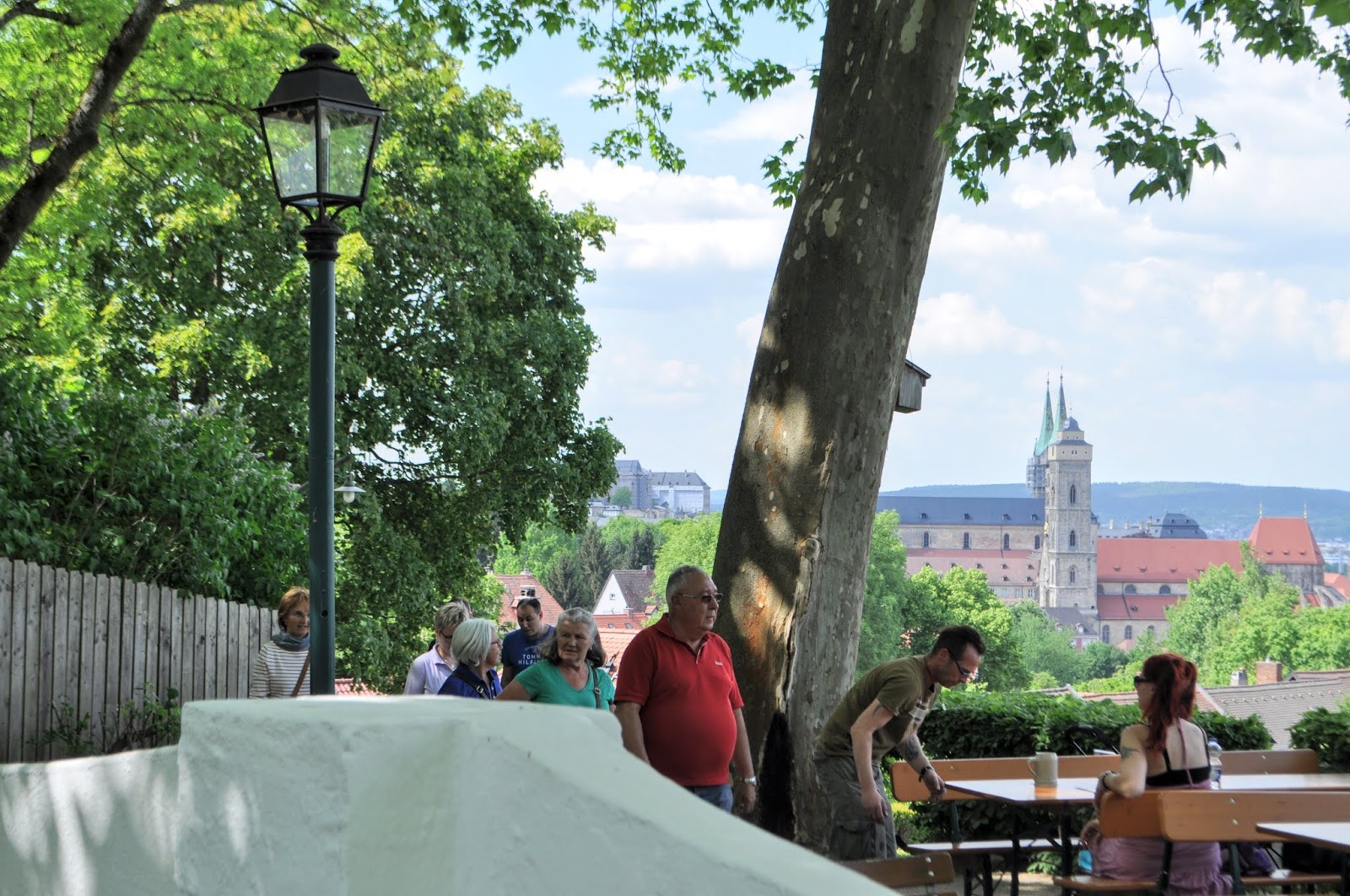
(This is my contribution to The Session; for more info see here. Pictured above, twice, is the Wilde-Rose Keller in Bamberg. Pictured below is the Bootshaus on the Regnitz river, also in Bamberg.)


Tuesday, January 30, 2018

It's Daytime in Berlin. Where to Get a Decent Beer?

Let's not make a big thing of this, but Berlin is not really a proper beer city. It's a cocktail city. An all-night, fancy-drinks, then-go-out-clubbing cocktail city.

Yet... this is still the capital of Germany, which happens to be one of the all-time great brewing and beer-drinking countries. So it's a paradox. Meanwhile the city is big enough and lively and versatile enough -- as I've written elsewhere, not easily pigeonholed -- to offer pretty much whatever you want, if you know where (and when) to find it.

Weber
Here is something relatively hard to find in Berlin: Good beer spots that are open in the daytime. By daytime, I mean before 4 or 5 p..m. This ain't Bavaria or Belgium, where it's acceptable to drink a beer with lunch or as part of a leisurely afternoon (or even morning sometimes). For the most part, it's a night-drinking city. Yes it's still Germany, so beer is a staple food. But if we judge these things by opening hours, public day-drinking in Berlin is not all that common. It may be because people are sleeping off hangovers, or else they are, you know, at jobs.

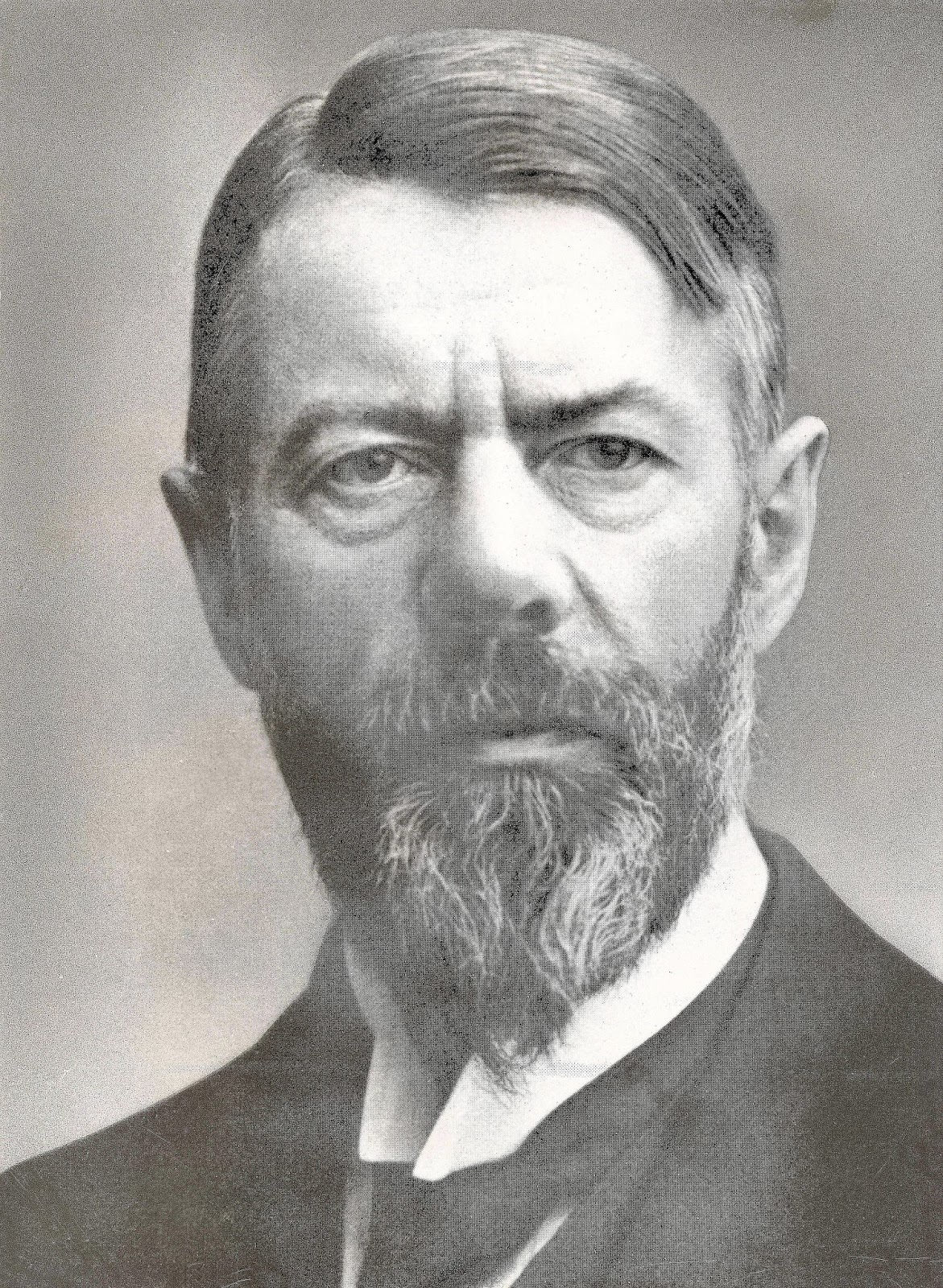
(Prussian virtues? Maybe. Incidentally Max Weber, the political theorist who coined "Protestant ethic," was Prussian. It is sensible to suggest that people should not be drinking in the daytime, because they should be working. This sensibility is unhelpful to tourists.)

In my view, day-drinking is not supposed to be a regular thing. If it were, it would be much less enjoyable. I like it a bit naughty, rather than pedestrian. So, there are times when it's fun and/or useful to find a place where you can do it.

For example: If you are writing a magazine article and need to find a certain type of beer... but you also need to be home to meet the kids' school bus in the afternoon. Hypothetically, of course.

Better example: You're a tourist in central Berlin, on a hard-earned vacation, and can't think of any reason why you shouldn't put on a good beer-buzz during daylight hours.

Just to back up my point, here are the opening times of many of the top beer spots in Berlin these days: Birra, 6 p.m.; Foersters, 4 p.m.; Herman, 6 p.m.; Hopfenreich, 4 p.m.; Monterey Bar, 5 p.m.; Muted Horn, 5 p.m. (3 p.m. weekends).

Right, so I like to be useful. With no further ado, here is an easy crawl -- the North Mitte Mile, let's say -- that might be handy after the museum, or after sleeping in, or while hunting street food, or whatever else it is you like to do while on holiday.

Kaschk
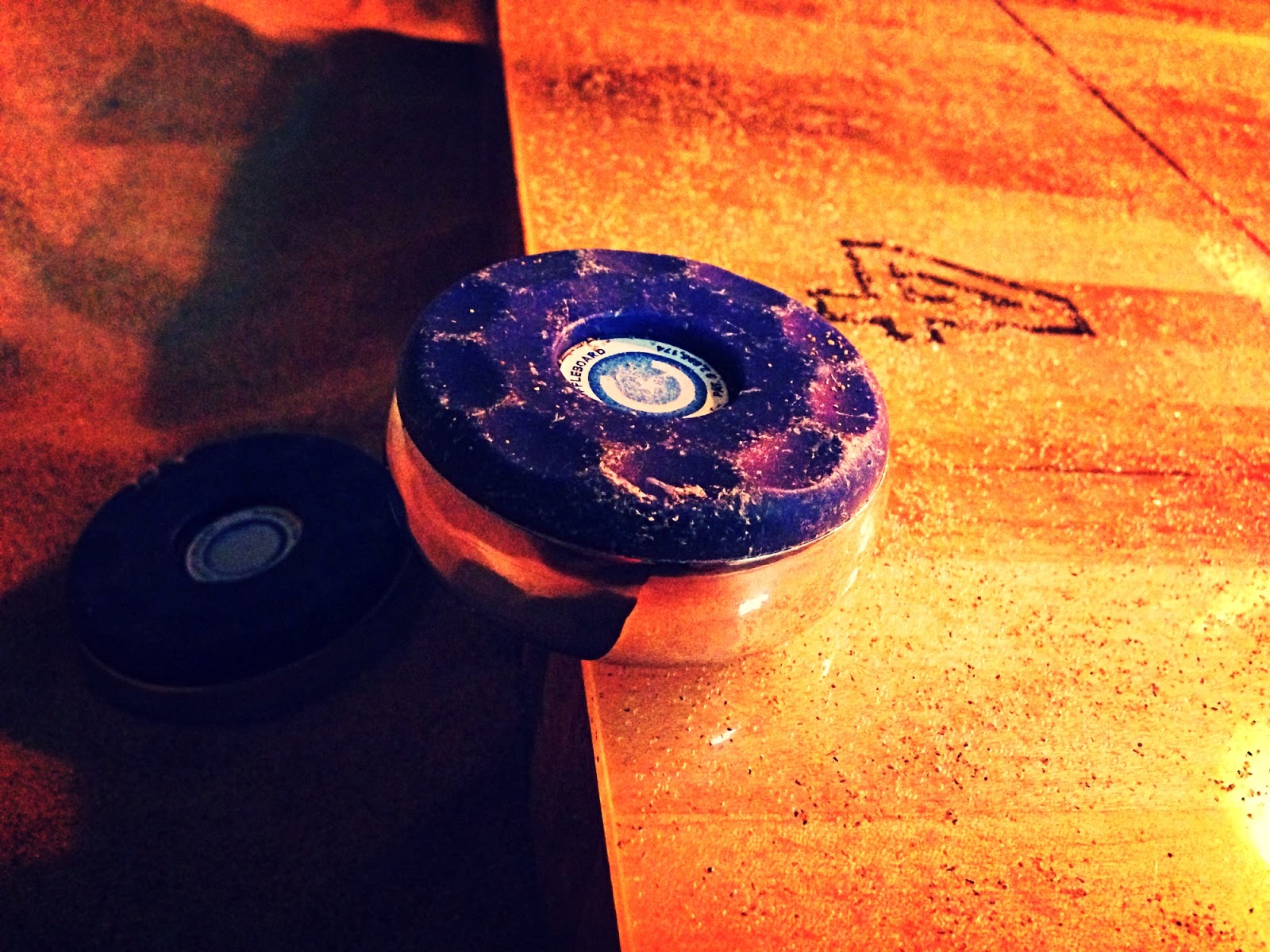
Kaschk: At the Rose-Luxembourg-Platz U-Bahn, less than 10 minutes walk north of Alexanderplatz. This one opens first (8 a.m., or 10 a.m. weekends) so we can start here. Excellent coffee, to say nothing of 10 changing taps and an interesting bottle selection. The beers lean Nordic; it's typical to find To Øl (whoops sorry, that's Belgian) here, besides several locals. They usually have Schönramer Pils, a personal favorite of mine. Daytime also happens to be the easiest, quietest time to use the shuffleboard tables downstairs (when one costs €9/hour instead of double that).

Brewdog: Opens at noon, and serves good from-scratch pizzas. Those who want to eschew it as the Starbucks of craft beer, go on, you won't hurt my feelings. Personally, I go to Starbucks because Starbucks is fucking useful. Same deal here. Nice upholstered booths, pinball, board games, wifi, endless pitchers of water, and 30 taps that balance company beers with interesting guests -- including, it must be said, real German lager most of the time (right now: Gänstaller Rauch Royal, a beautiful smoked doppelbock).

Beereau
Castle: Previously in Gesundbrunnen, this pub is now just down Invalidenstrasse from Brewdog, and bang across the street from the Nordbahnhof S-Bahn station. Like Kaschk, it opens at 8 a.m. (10 a.m. weekends) and doubles as a coffee house -- another potential early starting point. It's also very near the excellent Berlin Wall Museum and Visitors Center. The 15 taps specialize in unusual and local independents; the downside is the price (rent in that spot must be high). I don't stay for long, but it's so convenient I usually pop in for one if in the neighborhood. I can't remember what the house Pils is, but it's decent and costs maybe €3.80 for a half-liter. Compare that to between €6 and €7 for smaller 40 cl measures of the variety ales. Consolation: They have those rotating snack dispensers for various nuts and Pringles. Those are cheap, anyway.

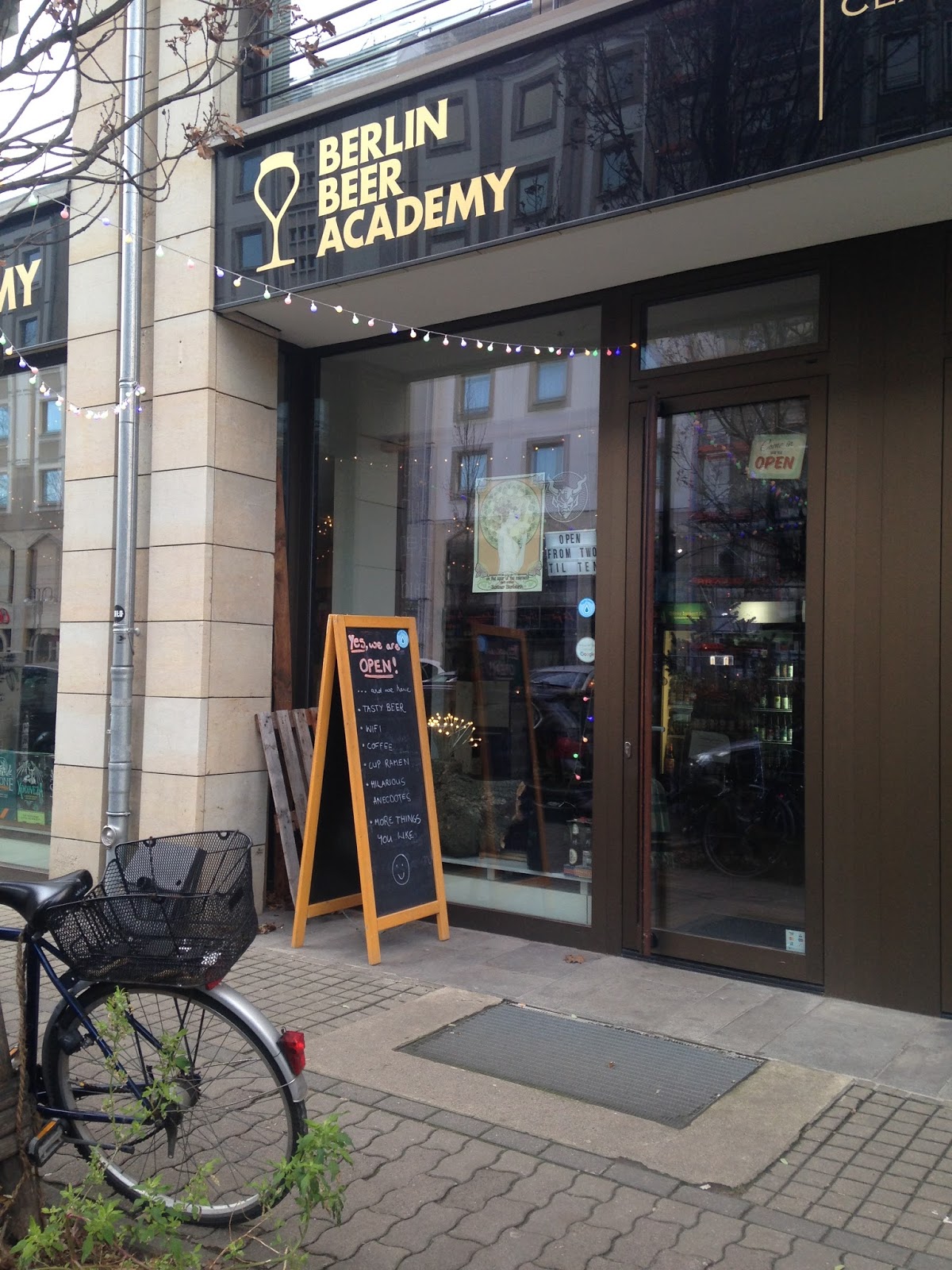
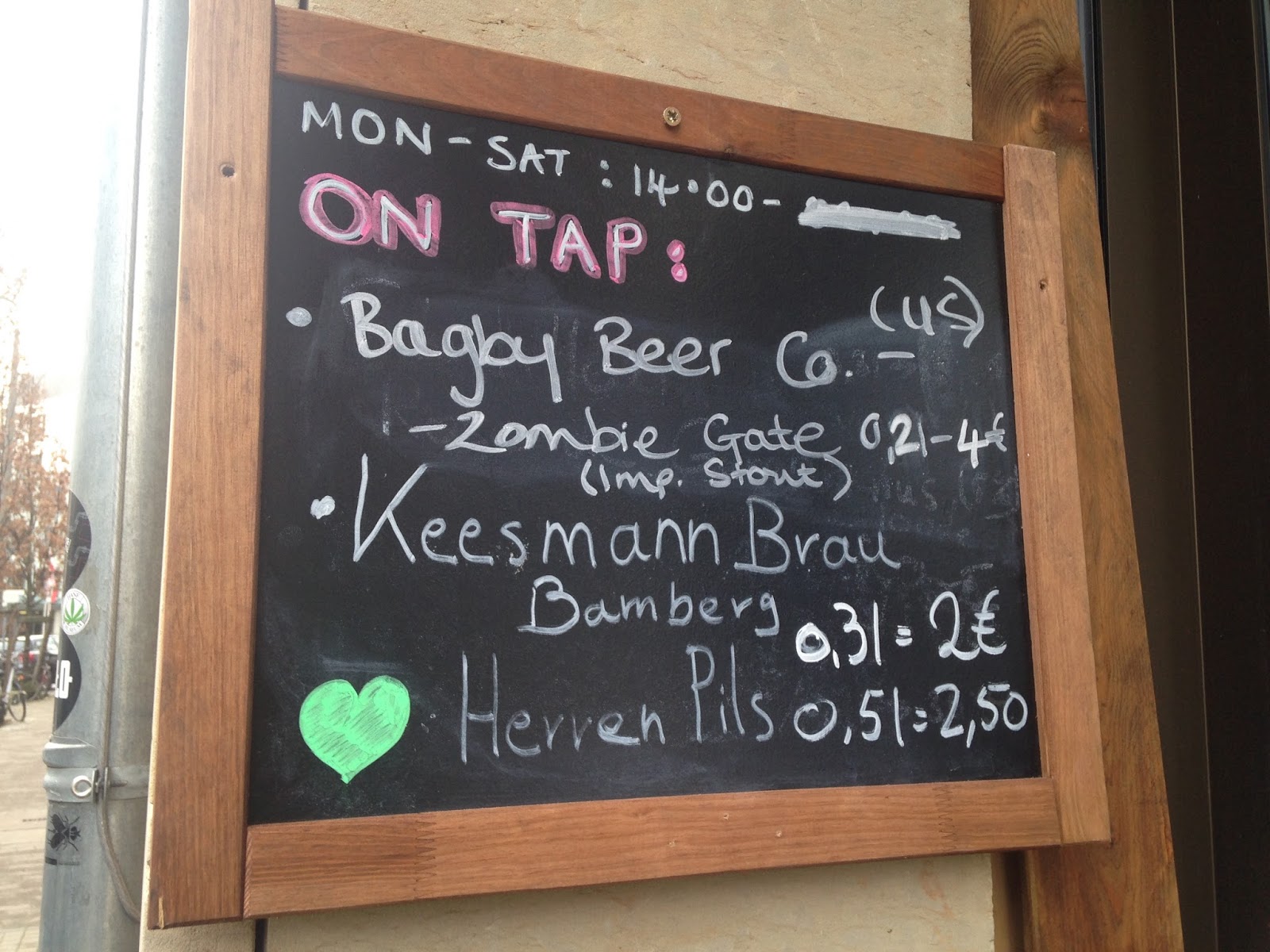
Beereau: Opens at 2 p.m. six days a week, basically at Oranienburger Tor, just off Friedrichsstrasse. Formerly known as Berlin Beer Academy, and still hosting the occasional tutored tasting, the shop/café here has taken on an identity (and name) of its own. Its selection of 300-odd beers are mostly on display in fridges next to the small bar, where there are also a few more on tap (including, recently, gorgeous Keesmann Herren Pils out of Bamberg for €2.50 per half-liter). The emphasis is on local Berlin breweries -- including every Berliner weisse they can get their hands on -- with choice bits of Franconia and international independents. Something for everyone here.

Beereau
A few others to mention: Along the walk from Kaschk to Brewdog (or vice versa), Mikkeller Bar Berlin opens at 3 p.m. Nearer to Alexanderplatz, Marcus Bräu (noon weekdays; 2 p.m. Sat; 4 p.m. Sun) is an old-fashioned, underrated, cozy little brewpub doing it all themselves, while Lemke am Alex (noon) is impressively large for a brewpub, with more choices, but tourist-pricey. Meanwhile nearby Aufsturz (noon) is an underrated arty bar that does some alt-Berliner cooking and about 100 bottled beers that include classics like Schlenkerla, St. Bernardus and Achouffe.

The Bavarian spots: I have no problem recommending these to tourists who only rarely get to Germany and aren't able to visit Munich -- or to anyone, really. Augustiner am Gendarmenmarkt (10 a.m.) offers the real experience, plus spigoted barrels of Edelstoff lager poured starting at 6 p.m. daily; Hofbräuhaus Berlin (10 a.m.) is a big proper beer hall with huge Sunday brunch buffet (kids eat free) and live oompah; while Weihenstephaner Berlin (11 a.m.) is an elegantly wooded, casual restaurant on Hackescher Markt featuring the usual pitch-perfect Hefeweissbier and Helles, among others. And even as I write about them I think, "Oh yeah, I should go there more often."

Monday, January 8, 2018

The Session: Jay's Three Questions. My Answers. That's It.

Been a while since I've done the Session. Years, probably. So ask me if I feel bad about responding three days late.

This month Jay asks three questions and says not to think about them too long. Here goes.

1. What one word, or phrase, do you think should be used to describe beer that you’d like to drink?

Comfort.

In the beers I try I'm not looking for one-night stands. I'm looking for future wives. I'm looking for the ones you invite into your house because you might want to live with them, to grow more familiar with them; they walk in on you in the bathroom and you don't even mind. Few beers are so easy to get along with. Few offer the sort of depth that allows a lifetime of getting acquainted.

2. What two breweries do you think are very underrated?

Schönramer and Oud Beersel.

Both are highly regarded and oft-awarded, so maybe "underrated" isn't the best word here. But Jay sets a high mark when he suggests that "everything they brew should be spot on."

If there is a dud anywhere in the Schönramer lineup, I've never had it. For my money the Pils and Hell are two of the best in Germany -- very repeatable, very comforting beers.

Meanwhile I think lambic geeks tend to look past the Oud Beersel blendery, maybe because people still associate them with the larger Boon brewery. They lavish much hype upon Cantillon, Drie Fonteinen and increasingly Tilquin -- all with good reason -- but those prices have risen and bottles are harder to find. Meanwhile Oud Beersel is relatively accessible, quality is very high, prices are reasonable, and the character of the beers has grown in confidence over the years. In particular I'd single out the fruit lambics, especially the Oude Kriek, as among the juiciest and most fun beers to drink in Belgium.

3. Name three kinds of beer you’d like to see more of.

1. Czech-style pale lager, properly decocted, hopped and poured.
2. Bitter. Plain old beautiful bitter.
3. Baltic porter.

Why these three? See No. 1.

Thursday, November 16, 2017

Hello from 35,992 feet.

This Delta flight, on which we are traveling back to America for a little more than a week to celebrate Thanksgiving, has complimentary cans of hoppy liquid on board. Sweetwater 420. Never thought I would see such a day.

Now you will tell me this is becoming somewhat more common, on trans-Atlantic flights or even domestic U.S. ones. I don't know. The great majority of my flying in recent years has been on Squeezy-Jet or Ryan Air. Because cheeeeeeaaaap. Flew from Berlin to Brussels for €10 one way a couple of weeks ago. However many euros I saved, I just see those as gueuze tokens.
On this plane: When the beers are for sale they cost $8. Or you can go cheaper and pay $7 for... Miller Lite. Which is the better buy?

Then they charge you nearly $30 including taxes to use wifi so you can hustle and get that next section of manuscript to the publisher. Robbery, or another miracle at 36,000 feet? We take our joys where we can find them.